Image Credit: A-Leagues.com
Melbourne Victory has announced that Spanish football icon Juan Mata has joined the club’s ownership group, marking one of the most significant investment moves by a current international footballer in Australian football history.
The agreement sees Mata acquire an ownership stake in Victory while continuing to weigh up whether he will extend his playing career beyond the 2025/26 A-League Men’s season. The investment is separate from any future playing contract and reflects a long-term commitment to both the club and the wider Australian football landscape.
Should Mata eventually retire from professional football, he will also take on a leadership role by chairing a newly established football committee at Melbourne Victory, helping shape the club’s football operations and strategic direction.
More than another football investment
While former elite players have increasingly entered football ownership around the world, Mata’s decision stands apart because he is investing directly into the club he currently represents.
The move places Melbourne Victory among a growing list of clubs benefiting from investment by globally recognised football figures. However, unlike celebrity ownership groups where players often become passive investors after retirement, Mata is embedding himself within the club while still competing at the highest domestic level.
Commercial terms of the transaction remain confidential, although the investment has been described as a significant long-term minority stake designed to strengthen the partnership between Mata and the club well beyond his playing career.
A vote of confidence in Australian football
Perhaps the most significant aspect of the announcement is what it says about the perception of Australian football internationally.
After arriving in Australia following spells with some of Europe’s biggest clubs, including Manchester United, Chelsea and Valencia, few would have predicted that Mata would choose to invest his own capital into an A-League club.
Instead, the 2010 FIFA World Cup winner has described Australian football as a competition with genuine long-term potential.
“Australian football has a future I genuinely believe in,” Mata said.
“From the moment I arrived at Melbourne Victory, I’ve felt the passion of this club and the potential of the A-Leagues, and I want to be part of building what comes next—not just for a season, but for the long term.”
Mata added that becoming a shareholder represented “the natural next step” after enjoying his first season at Victory.
Rewarding an outstanding first season
The investment follows what has been one of the finest individual campaigns by a marquee player in recent A-League history.
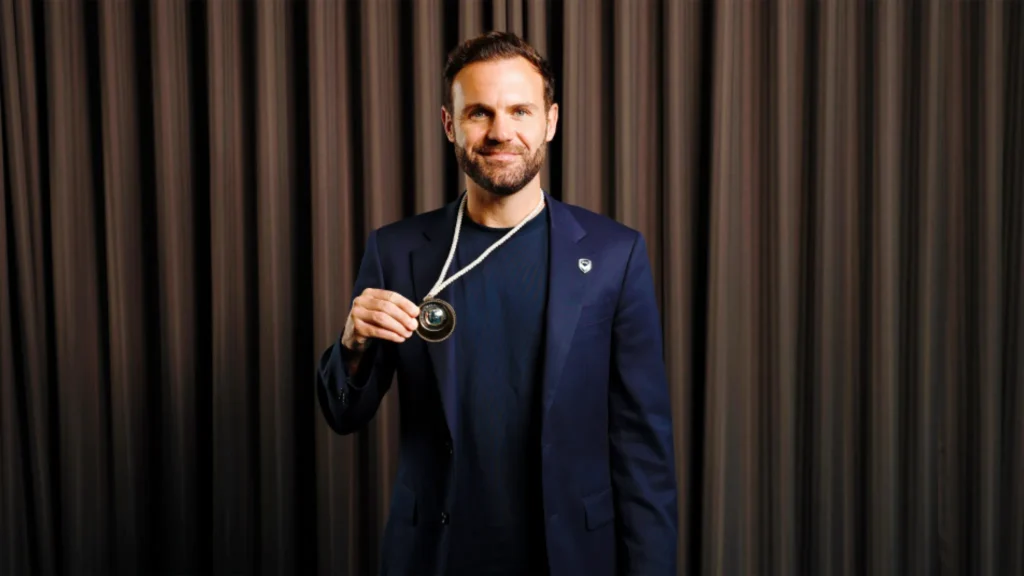
The 38-year-old registered five goals and 13 assists across 25 appearances during the 2025/26 season, earning the Johnny Warren Medal as the league’s best player while also claiming Melbourne Victory’s Player of the Year honours. His performances helped guide Victory back into the Finals Series and demonstrated that his influence extends far beyond his reputation.
Rather than treating Australia as a final destination before retirement, Mata has instead become increasingly involved in shaping the game’s future.
A growing portfolio of sporting investments
Melbourne Victory is not Mata’s first venture into sports ownership.
The Spaniard already holds ownership interests in Major League Soccer expansion club San Diego FC and Formula One outfit Alpine Racing. He has also invested in Mercury/13, the multi-club ownership group focused on developing women’s football globally.
These investments reflect a broader trend among modern footballers who are leveraging their experience and networks beyond their playing careers. For Melbourne Victory, securing someone with Mata’s global football knowledge, commercial experience and international connections represents an opportunity that extends well beyond the pitch.
Landmark moment for Melbourne Victory
Victory Chairman John Dovaston described Mata’s investment as a significant endorsement of both the club and the A-Leagues.
According to Dovaston, Mata is a discerning investor with stakes in elite sporting organisations worldwide, making his decision to back Melbourne Victory a strong signal of confidence in the club’s direction and the league’s future.
Managing Director Caroline Carnegie echoed those sentiments, describing the announcement as “genuinely groundbreaking” and highlighting Mata’s combination of world-class football intelligence, investor mindset and long-term commitment.
A statement beyond Melbourne
Australian football has long sought greater international credibility. Not only through marquee signings, but through meaningful long-term investment.
Mata’s decision represents something arguably more valuable than a headline player signing. By committing financially to Melbourne Victory, he is effectively betting on the future growth of both the club and the A-Leagues.
At a time when Australian football continues to pursue increased investment, stronger governance and greater global relevance, having one of the game’s most respected figures choose to become an owner may ultimately prove to be one of the competition’s most powerful endorsements.