



This Saturday the Australian public will shape the future of the nation when they head to the polls to vote in the 2025 Federal election.
Another factor that could sway some voters is the promises made by the major parties to support local sports clubs and reserves, especially those focused on football.
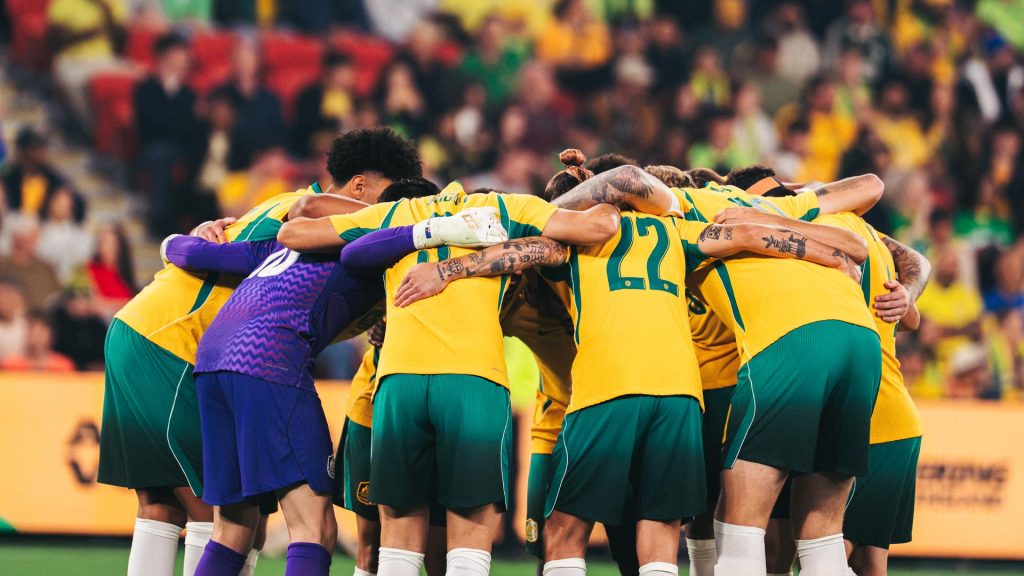
The Albanese Labor Government has already made major strides when it comes to funding the future of soccer in this nation, particularly for women’s and girl’s involvement.
On the back of a successful FIFA women’s World Cup campaign on home soil which saw the Matildas make it to the Semi-Final, the Albanese Government announced the “Play Our Way” program.
This program would provide greater opportunities for women and girls to access, participate and remain involved in sport and physical activity.
Women and girls in Australia are under-represented in sport and physical activity, so, the Play Our Way program will support and provide more opportunities for equal participation in sport and physical activity, as well as access to sporting facilities, equipment and initiatives.
Prime Minister Anthony Albanese highlighted the importance of the program.
“The Matildas have given us a moment of national inspiration, this is about seizing that opportunity for the next generation, investing in community sporting facilities for women and girls around Australia,” he said in a press release.
“Sport is a great unifier and a great teacher – it brings communities together, it teaches us about teamwork and resilience and the joy of shared success.
“We want women and girls everywhere in Australia to have the facilities and the support to choose a sport they love.”
The Australian government has provided $200 million for the Play Our Own program which will run over three years from 2024-25 to 2026-27.
Looking ahead, Labor has made several commitments to supporting the growth of football across the country.
One example is the pledge to commit $1.2 million to upgrade soccer facilities in Creswick and Daylesford if the Federal Labor Government is re-elected.
In April, Catherine King, the Member for Ballarat, announced that the funding promise will go towards upgrades at Victoria Park in Daylesford and the Doug Lindsay Recreation Reserve in Creswick.
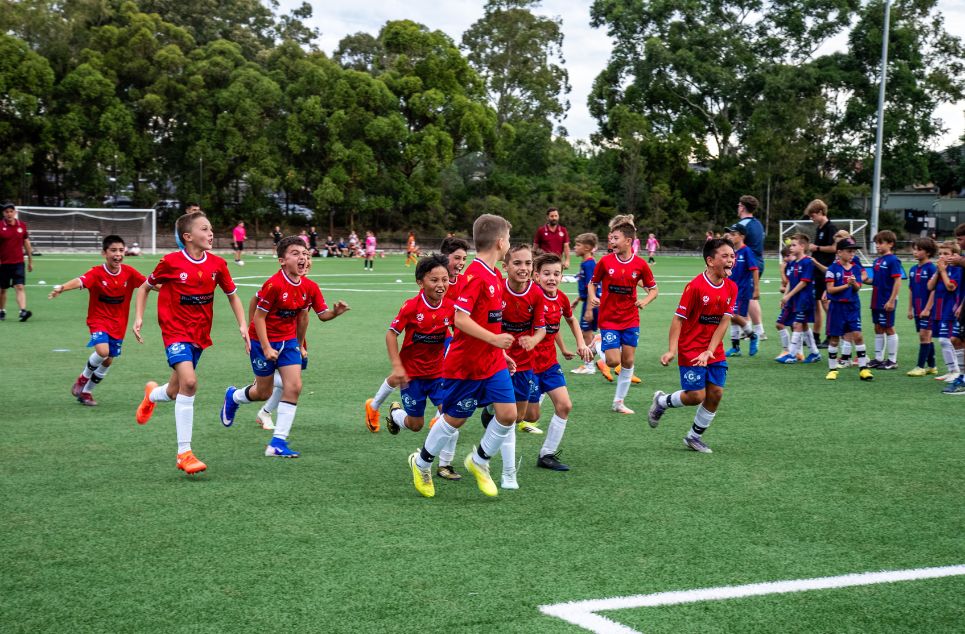
According to Ms King, the Daylesford and Hepburn United Soccer Club has around 150 players, including 40 female players, and has been forced to cap its intake because current pitches cannot accommodate this growth.
Labor’s pledge will help rectify this issue as well as create a welcoming and inclusive environment for all women and girls.
Other pledges by Labor include $10 million towards a new mini stadium for Melbourne City FC, facility upgrades at Alamein FC/ Ashburton SC, $3.5 million towards female-friendly facilities at St Albans Saints FC, and more.
Meanwhile, the Liberal Party has also pledged strong support for the future of the sport, promising funding if elected.
One notable example is the party’s pledge to commit $2 million to upgrade Heidelberg United Alexander FC facilities should it win the federal election.
In April, Liberal candidate Chris Parr made the announcement in the Jagajaga electorate, joined by local MP Keith Wolahan and Senator James Paterson.
The funding will go towards major improvements to the club’s facilities, including a new Olympic Museum, bigger training areas, more open green space, and larger clubrooms to better serve the growing community.
The announcement has been seen as a big win for local families, sports lovers, and volunteers, with the Coalition highlighting its commitment to supporting communities by working closely with local groups and the Banyule City Council.
Another notable pledge by the Liberal Party is to upgrade Devlins Road Recreation Reserve in Ocean Grove.
In March 2025, the Liberal Party confirmed that the first stage of the upgrade would receive $5 million if the Coalition wins the federal election.
This project would bring new soccer fields with lighting and fencing, a pavilion, and a new home for the Surfside Waves Soccer Club, establishing a permanent base for junior soccer and other sports at the reserve.
However, in the following month, the Albanese Labor government pledged to match the election promise made by the Coalition meaning the first stage of the Devlins Road Reserve upgrade in Ocean Grove will get a $5 million kickstart regardless of which party forms the government next month.
This is just one of many instances where both parties have clashed over election commitments to local clubs and reserves, with other examples including FC Eaglehawk, Dwyer Street Reserve, Phillip Island Soccer Club just to name a few.
According to Football Victoria, the 2025 federal election has resulted in a total funding commitment value of $93,560,000 in just the state alone.
So, as Australians head to the polls, it’s clear that the battle for votes extends beyond national issues, with local football sports funding emerging as a key play in shaping community support.