



Newcastle Jets Women Secure Major Backing from nib

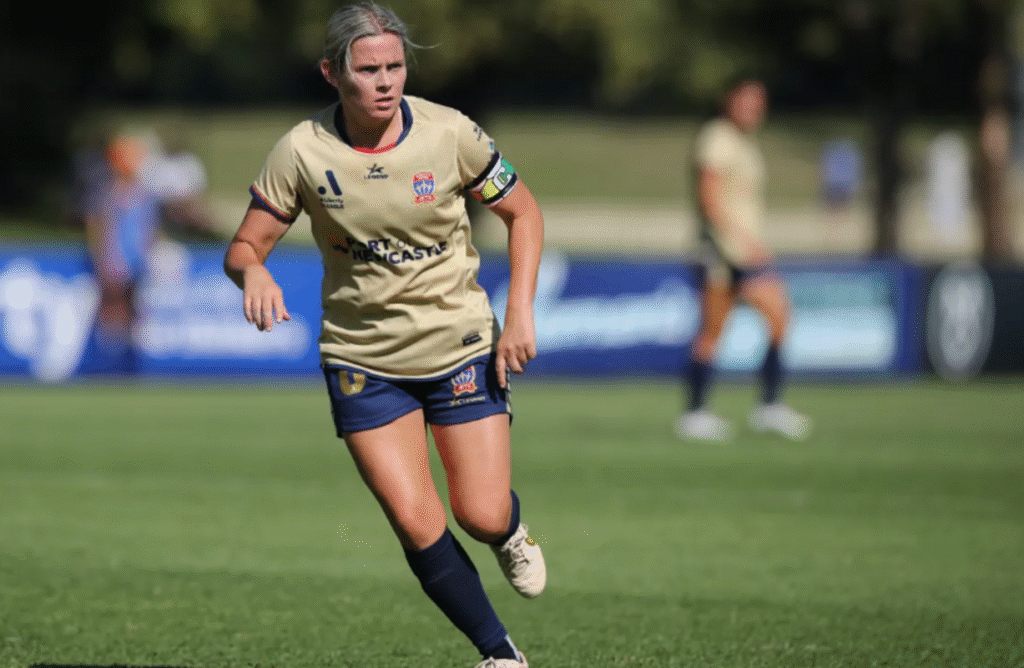
The Newcastle Jets have announced nib as the new principal partner of the Club’s A-League Women’s team for the next two seasons.

The partnership marks a milestone in the promotion of women’s sport in the region by sponsoring elite female athletes and promoting active lifestyles to improve health outcomes for women.

Newcastle Jets CEO, Tain Drinkwater, expressed enthusiasm and admiration toward nib’s newfound support for women’s football.

“This is nib’s first direct investment into women’s football, and it speaks volumes about their commitment to building a stronger, healthier, and more inclusive community,” she said in a press release.

“With women’s football continuing to grow across our region and the nation, this partnership is a major step forward for our club and the sport.”

Through this partnership, nib’s logo will feature across the front of our A-League women’s kits and become the official health care provider for the Newcastle Jets.

Northern NSW, including Newcastle and the Hunter Region, boasts the highest football participation per capita in Australia, with nib aiming to support community initiatives that encourage participation, inclusion, and wellbeing from the ground up.

Nib Group CEO and Managing Director, Ed Close, also spoke on how much the partnership will mean for the development of women’s sport.

“Our partnership is about investing in the future of women’s sport, supporting grassroots football, and championing better health and wellbeing for all,” he said in a press release.

“At nib, we’re proud to stand alongside these talented players as they inspire the next generation and elevate the game.

“These athletes are exceptional on the pitch; they’re role models in our community.”

Since 2022, nib has partnered with the Minerva Network to support elite female athletes through mentoring and leadership development, helping to empower them on and off the field.

Northern NSW, including Newcastle and the Hunter Region, boasts the highest football participation per capita in Australia, with nib aiming to support community initiatives that encourage participation, inclusion, and wellbeing.

The partnership between the two parties is exciting for the women’s side who get the benefit of a decent size Australian company backing the team with promotion and resources to improve them both on and off the pitch. It’s strategic from the Newcastle Jets who need to find ways to improve from their 11th place finish in 2024/25.

 

Previous ArticleNext Article

Thornaby FC’s community commitment leads the way, but football fans continue to suffer

The cost of living crisis has impacted people and businesses worldwide and football is no different.

Football fans globally – and especially top flight British supporters – are being priced out of the game they created, and by the teams they have supported their whole lives.

In the 2024/25 season, 19 of 20 Premier League clubs raised their ticket prices. The highest single jump was a 28% increase, and additionally an 11% hike on tickets for children. Between 1990-2025, football fans in the UK have seen their ticket prices increase by an immense 800%. 

The fan reaction has been continually damning. Via the UK-based Football Supporters’ Association, over one hundred supporter groups campaigned for Premier League clubs to freeze ticket prices at home games for two seasons, as part of the Stop Exploiting Loyalty Campaign.

An FSA statement reads: ‘Football is for everyone. Rising prices are making it harder for regular fans, especially younger generations and working-class communities to attend matches.’ 

With fans of clubs from right across the country united on the matter, their position was clear: stop taking football from the people.

One club that did heed the message were North Yorkshire non-league side, Thornaby FC. This season, they are offering free season tickets to local residents for both men’s and women’s games.

Over 20,000 people are eligible thanks to the partnership between the club and the local council. With the club awarded AUD 12,000 (GBP 6,500), the initiative aims to bring the community together and drive locals to games.

This is not seen as a final solution, but certainly a major step in gaining support and interest for the team; in turn it will hopefully drive local investment, revenue and growth via the community that supports it, as opposed to investment groups that potentially hold less interest in the health of the club and its community. 

The Stop Exploiting Loyalty Campaign has also gained the support of MPs in Parliament. In March, they recognised the problem and as part of an Early Day Motion stated: ‘working-class and young supporters are being priced out; squeezing out local and dedicated fans poses an existential threat to the culture and community of football.’

While those words may be encouraging, what they can change in their current systematic position feels minimal.


The World Cup is another example of football fans suffering greatly at the hands of commercial interests.

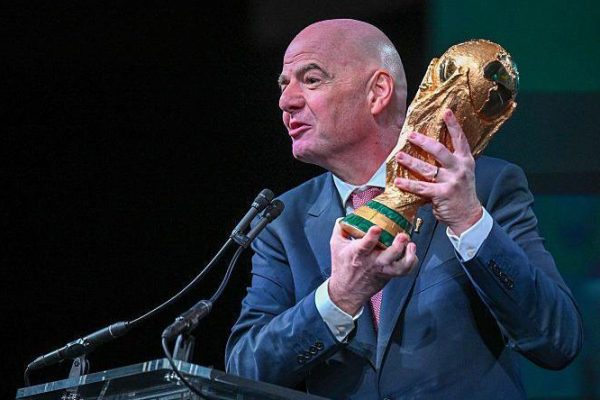
On the grandest stage, where fans from around the world gather en masse to support their nations and the spirit of the game should in theory be at its most authentic, fans are deliberately exploited by FIFA.

According to Forbes Middle East, the 2026 edition in the USA, Canada and Mexico saw a rise in ticket prices for 90 of the 104 matches compared to the previous edition in Qatar.

Football is being held up by investors and governing bodies like a puppet on strings. They deem growth to be the only measure of success.

Growth is of course a key requirement of success, but what good is that when it sees the interests of local communities, including loyal football fans, pushed to the side? When it comes to modern day football, good deeds – such as those committed by Thornaby FC – are rarely seen as time well spent.

The pursuit for growth is also not just financial. Human attention is a newly monetised market; from streaming views to social-media engagement to email sign-ups. As football continues its global push into lounge rooms and onto smartphones, it is at major risk of overlooking those who commit their time and resources to stand in the terraces or sit in the stands.

Nike to end Adidas’ 25-year run as UEFA Champions League ball supplier

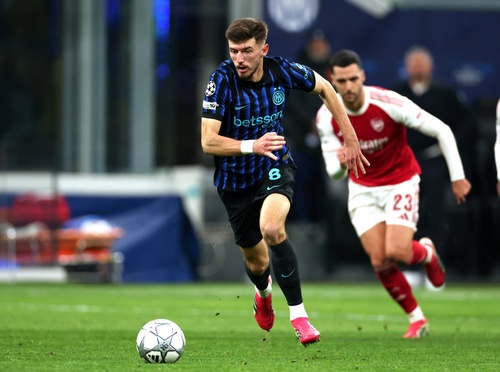
Nike has signed with UEFA to supply the ball for the Men’s Champions League competition for the next four seasons, with the agreement reportedly in the region of AUD 65.3 million (EUR 40 million).

Nike previously supplied the ball for the top level of men’s European club football from 1998-2001, before Adidas commenced a 25-year partnership early in the millennium.

The new deal will also see Nike replace Decathlon brand Kipsta as the ball supplier for UEFA’s Europa and Conference League competitions, marking the first time one manufacturer has fulfilled all three competitions.

While the specific figure of the deal remains undisclosed, the Financial Times has reported the approximate figure has doubled the value of UEFA’s current agreement with Adidas and Decathlon.

‘Football is the world’s game, and the ball is at the centre of it, the one thing every player, in every competition, has in common,’ said Camilo Andrade, vice president and general manager of Nike Football.

‘This is a long-term commitment for Nike. We will listen to the athlete’s voice, push the edges of innovation, honour the prestige and tradition of these competitions, and make sure the ball represents the instinct, creativity and joy football brings to billions of fans.’

The contract comes as welcome news for Nike, who have been without a ball supply deal across elite European football since the end of a 25-year partnership of their own, with the Premier League moving to Puma from the start of the 2025/26 season.

Nike has also recently farewelled Kylian Mbappe, with the France and PSG star – and one of the most recognisable athletes in the world – signing with relatively lesser-known Swiss company On, rather than extend his deal.

Despite the end of their quarter century Champions League agreement, UEFA and Adidas remain in partnership on a number of fronts; the heritage German manufacturer remains the official match ball supplier for the Women’s Champions League, Euro 2028, and the Nations League.

Most Popular Topics

Editor Picks

Send this to a friend