




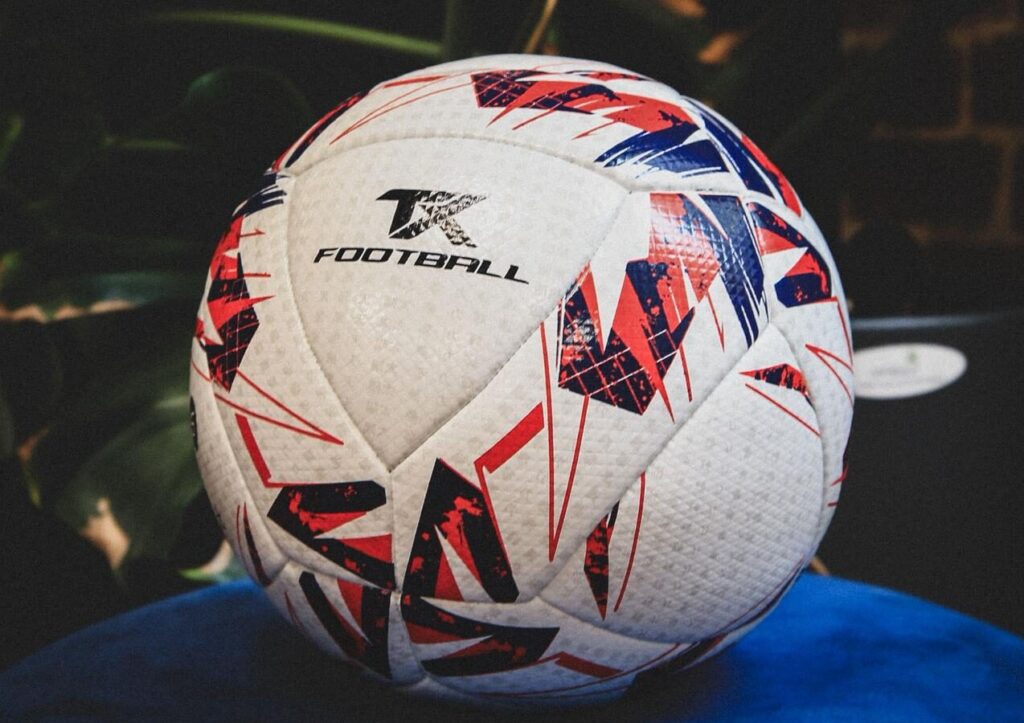
TX Football’s Hikari Ball: Reviving Tradition Through Japanese Craftsmanship

In an era where mass production often comes at the cost of tradition, the Hikari ball represents a quiet defiance. Engineered with a clear mission: to restore the softness, responsiveness, and premium quality that defined a first-class match ball, before mainstream brands drifted away from conventional Japanese materials.

The Hikari ball brings back a silicon base – a feature rarely seen since the early 2000s, when most brands moved away from it due to cost. TX Football has revived this technology, using a silicon gel layer within the TPU foam between the outer cover. The result is a ball that feels more cushioned, softer to the touch, and easier to control. Japan is known worldwide for its unmatched attention to detail and consistency, and the ball mirrors exactly that.

Players immediately notice the difference: the ball feels softer on impact, offers greater responsiveness underfoot, and allows for more precise control. By reviving this material, TX Football has managed to strike a balance between modern durability and the kind of comfort and playability that older match balls were celebrated for. It’s a small change with a big impact, restoring the natural connection between player and ball.

When it comes to performing across different weather conditions and playing surfaces, the Hikari ball lives up to the same high standards as TX Football’s other premium balls. Even in wet conditions, its top layer ensures the ball remains grippy and controllable, minimising any slipperiness.

While some other balls on the market feature a smooth TPU layer that can feel slippery in wet conditions, the Hikari ball stands out with its textured surface and silicon base, making it noticeably easier to control even when the pitch is wet.

Designed to excel in both training environments and competitive matches, the Hikari ball reflects TX Football’s dedication to precision, durability, and high performance. Through the integration of innovative materials and careful craftsmanship, it provides a consistently reliable, premium playing experience, enabling athletes to perform at their highest level with confidence, every time they step onto the field.

Since the company manages every step of production in-house, rather than outsourcing to a factory, it has complete control over quality and costs. This hands-on approach allows the team to oversee every detail, from the materials used to the finishing touches, ensuring that each product meets their high standards.

Without the overhead of a large external manufacturing process, the company can avoid unnecessary expenses, which in turn keeps the price of their products more accessible.
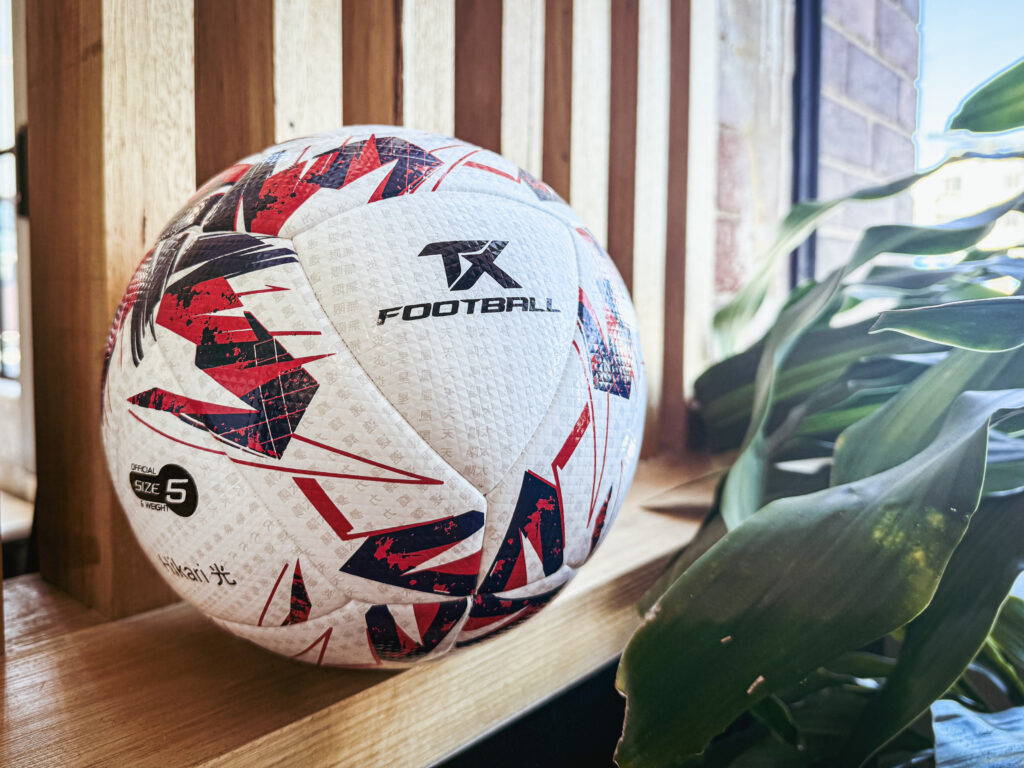
Image credit: One Nil Media

Unlike major market brands, which often rely heavily on name recognition to justify higher price tags, this company focuses on value and fairness. By keeping the mark-up low, they make their products affordable for both parents and players, allowing young athletes to access high-quality equipment without placing a financial burden on families. This approach reflects the company’s belief that great performance shouldn’t come at an unreasonable cost.

Additionally, handling everything internally fosters a sense of pride and accountability. Each ball isn’t just a product; it’s a reflection of the team’s dedication, craftsmanship, and passion for the game. Customers can feel confident that the product they’re purchasing is the result of meticulous care and genuine expertise, rather than mass production driven solely by profit. This philosophy has allowed the TX Football to build a reputation for quality, consistency, and trustworthiness in a competitive market.

By combining affordability, attention to detail, and hands-on production, the company continues to provide equipment that supports players at every level, staying true to its mission of making top-quality sports gear accessible to all.

The Hikari ball is engineered to provide reliable performance over an extended period, with an expected lifespan of around two years under regular weekend play, much like a standard premium football. TX Football recognises that consistent use can naturally wear on even the highest-quality equipment, which is why the company provides a 12-month warranty for constant play.

This warranty offers players and parents reassurance that the ball is built to last and that any issues during regular use are covered. By combining durability, thoughtful design, and reliable performance, the Hikari ball ensures players can enjoy every match with confidence.

TX Football’s in-house designer led the creation of the Hikari ball, developing both its overall structure and the distinctive surface pattern. Drawing inspiration from Japanese aesthetics, the team chose a subtle cherry blossom motif to reflect elegance, precision, and cultural heritage.

This designer plays a key role across the company, contributing not only to ball designs but also to the development of other kit and equipment, ensuring a consistent level of creativity, functionality, and quality throughout TX Football’s product range. Their work combines technical expertise with artistic vision, bringing a thoughtful and distinctive identity to every piece of equipment.


Previous ArticleNext Article

How Husqvarna Is Helping Stadiums Cut Costs Without Cutting Quality

At a time when operational costs are rising across global sport, stadiums and football clubs are being forced to rethink one of their most overlooked expenses: turf maintenance.

From diesel consumption to labour hours, maintaining elite playing surfaces has traditionally been both resource-intensive and environmentally taxing. But new data emerging from venues like CBUS Super Stadium suggests a smarter, more sustainable model is already taking hold.

Leading that shift is Husqvarna, whose autonomous turf technology is quietly reshaping how professional venues manage their playing surfaces. Their product delivers measurable cost savings without compromising quality.

Cutting fuel consumption costs

At CBUS Super Stadium, the introduction of Husqvarna’s CEORA™ robotic mowing system has reduced diesel usage by approximately 20–30 litres per week. Over the course of a season, those savings compound into a significant reduction in both fuel spend and carbon emissions. This is particularly efficient for stadiums hosting regular fixtures and large-scale events.

CBUS Super Stadium General Manager Kristian Blundell said the robotic mower was a game-changer for the venue:

“This technology is not replacing staff but rather giving our grounds team the ability to do what they do best by helping to improve turf management processes, better manage fatigue and decrease our environmental footprint”

But the impact goes beyond fuel.


Time efficiency

By automating routine mowing, Husqvarna’s technology enables grounds teams to focus on higher-value maintenance tasks, from pitch recovery to detailed surface management. The result is not only greater operational efficiency but also improved turf consistency, which is an increasingly critical factor in elite football performance.

The benefits are being mirrored beyond stadium environments. At Oatlands Golf Club, Husqvarna’s autonomous mowing has delivered savings of up to 60 litres of fuel per week while freeing up staff for precision work. Quiet, round-the-clock operation also ensures surfaces are maintained without disrupting play—an advantage that translates directly to multi-use stadium settings.

Image Credit: Husqvarna

Importantly, Husqvarna’s lightweight robotic systems reduce the wear and tear typically caused by traditional heavy machinery. This not only protects the integrity of the playing surface but also reduces the need for costly repairs over time.

Football clubs navigating tight budgets at grassroots and semi-professional levels could benefit from such cost savings.

With rising energy prices, increasing sustainability expectations, and limited staffing resources, the ability to cut costs while improving performance is no longer optional. Solutions like Husqvarna’s CEORA™ are positioning clubs to operate more efficiently today, while preparing for a more environmentally accountable future.

As the sports industry continues to evolve, one thing is becoming clear: the next competitive edge may not just come from what happens on the pitch—but how it’s maintained.

Football NSW announces 2026 First Nations Scholarships as pathway access program enters new phase

Football NSW has announced the recipients of its 2026 First Nations Scholarships, with ten emerging Aboriginal and Torres Strait Islander players from metropolitan and regional NSW receiving support designed to reduce the financial and structural barriers that have historically limited First Nations participation across the football pathway.

The scholarship program, developed and assessed in collaboration with the Football NSW Indigenous Advisory Group, targets players across both elite and development environments – recognising that talent identification alone is insufficient without the resources to support progression once players are identified.

Co-Chair of the Indigenous Advisory Group Bianca Dufty said the calibre of this year’s recipients reflected the depth of First Nations football talent across the state, and the importance of structured support in converting that talent into long-term participation.

“Their dedication to football and the desire to be role models for younger Aboriginal footballers in their communities is to be celebrated,” Dufty said. “I’m confident we will see some of these talented footballers in the A-League and national teams in the future.”


Beyond the pitch and into the pipeline

The 2026 cohort spans both metropolitan clubs and regional associations, an intentional distribution that acknowledges the particular barriers facing First Nations players outside major population centres, where access to development programs, qualified coaching and pathway competitions is more limited and the cost of participation more prohibitive.

The next phase of the program will introduce First Nations coaching scholarships, extending the initiative’s reach beyond playing pathways and into the coaching and administration pipeline – areas where Indigenous representation remains among the lowest in the game.

The structural logic is clear. Scholarships that reduce financial barriers at the entry point of elite pathways matter most when they are part of a sustained ecosystem of support rather than isolated gestures. Football NSW’s collaboration with the Indigenous Advisory Group provides that continuity, ensuring the program is shaped by the communities it is designed to serve.

Most Popular Topics

Editor Picks

Send this to a friend