


For years now, the Central Coast Mariners have been deftly proving themselves against sides backed by significantly larger budgets in the A-League Men, with club CEO Shaun Mielekamp operating at the heart of that journey for over half a decade.
Following a dismal playing period where the Mariners underwent a six-season finals drought, they grew increasingly disconnected from their community, and even incited an outcry for their A-League license to be revoked – the side secured consecutive finals finishes in the 2020-21 and 2021-22 seasons.
Much of this was no doubt down to the combined football acumen of former head coach Alen Stajcic, Head of Football Ken Schembri, current head coach Nick Montogomery and his assistant Sergio Raimundo. However, with the Mariners forced to work with having the smallest budget in the league, off-field ingenuity and a renewed strategic focus on youth development set the club on a much stabler course than before.
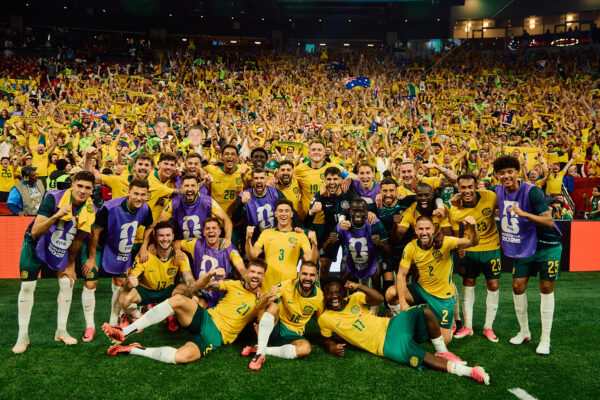
This has led to numerous current and future Socceroos such as Kye Rowles, Lewis Miller, and siblings Alou and Garang Kuol securing impressive overseas moves after being nurtured by the club.
Greater success and stability on the field has been mirrored off it. In a wide-ranging conversation with Soccerscene, Shaun Mielekamp spoke about the values, practices, and strategies that have led to the side’s current positive momentum.

The Central Coast Mariners are a club that has become renowned for the trust they place in Australia’s young talents, but also in unearthing hidden gems from world football. Why do you feel this strategy has been so effective for the club?
Shaun Mielekamp: This has been built over many years and a lot of credit goes to our academy coaches over the years, in particular Monty and Sergio who were the ones to really get the academy firing again when they won the competition. And it’s been built on some of the core principles of what it means to be a part of and come through the Mariners academy. That really did allow us to get a lot more confidence with the young kids coming through the academy to know that they’d be able to crack it into A-League.
I think over several seasons there was a feeling from an A-League level that the academy kids and the local kids weren’t up to the standards, so the academy were searching elsewhere and finding kids from other programs to come in. That probably hadn’t worked anywhere near as effectively, so, it’s really set a template. I went to training today and there’s a whole host of players that are in Luke Wilkshire’s team that are getting a real taste of what its going to be like for them if they keep performing and get to the next level.
So, they’ve become fundamental and then the experience of Monty and Sergio and their scouting networks really allowed them to revisit what we’re looking for from a visa player. Rather than someone who’s going to just be a marquee or key player to lead the team, we were looking for visa players who were still on their journey that fitted the culture and still had a lot to achieve and grow, and who wanted to use the Mariners’ time to increase their development.
Instead of the years where we were getting some of the former Dutch players who were at the backends of their careers (for example Wout Brama or Tom Hiariej), the strategy has shifted to get a player like Beni N’Kololo out of lower tiers in Europe because they’re on the way up, rather than on the way down, which has really been fundamental to fitting into the team culture.
Undoubtedly the Mariners underwent a difficult period with on-field results between 2014 and 2020. What did you learn from that period that you still retain to this day?
Shaun Mielekamp: We knew that we were going to go through some tough times, we had to for the survival of the club. There were some really dark times and really scary moments where you literally weren’t sure how you were going to pay the bills. So, there’s no point having a winning team if the club’s going to fold.
For me, with those years, there were some really hard decisions that needed to be made for the long-term. And if I compare myself to some of the other franchises in the A-League where they’re taking different strategies and spending a lot more money that was probably a bit beyond their means at the time and left them facing significant challenges long-term. Whereas we’ve come through a long-term strategy and have done the hard years, we’ve built an academy to underpin it and have now got a business model that’s ready for its next chapter under a new chairman to get into a growth phase.
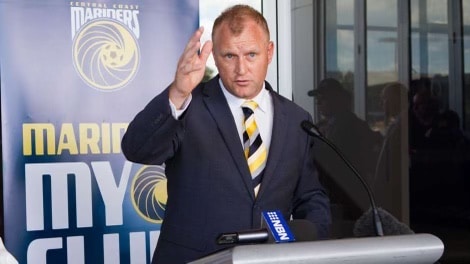
As you mentioned, earlier this year Richard Peil took over as the owner of the Mariners, with Mike Charlesworth moving on. How has that transition been and what strategies has the new owner implemented to help grow the club going forward?
Shaun Mielekamp: Richard’s got a huge amount of expertise in strength and conditioning, so he’s really put his own personal brand and knowledge into the athletic development of the players which has been great. He’s been able to see where we really needed some resources. He’s also backed some of the passions of the staff at the club and has thrown some more resources to answer questions that were never really asked because we knew the resources weren’t there.
Now, if you put together a strong case of ‘this is what we need, this is why need it and these are the outcomes’ it comes with a lot of accountability and expectation, but also a better environment to start growing. So, that does see extra resources allocated to coaching staff and marketing and digital areas where we desperately need it.
The Mariners have embraced a community-minded mentality as a sporting organisation, with its club values clear for all football fans to see. How significant has it been for you to maintain and drive this approach?
Shaun Mielekamp: It was easy to manage a club when the answer was always no. Now you get into a position where it’s about making the right decisions for the right reasons, but still holding onto your core values and principles because its easy to get lost and forget some of the things that make the club special.
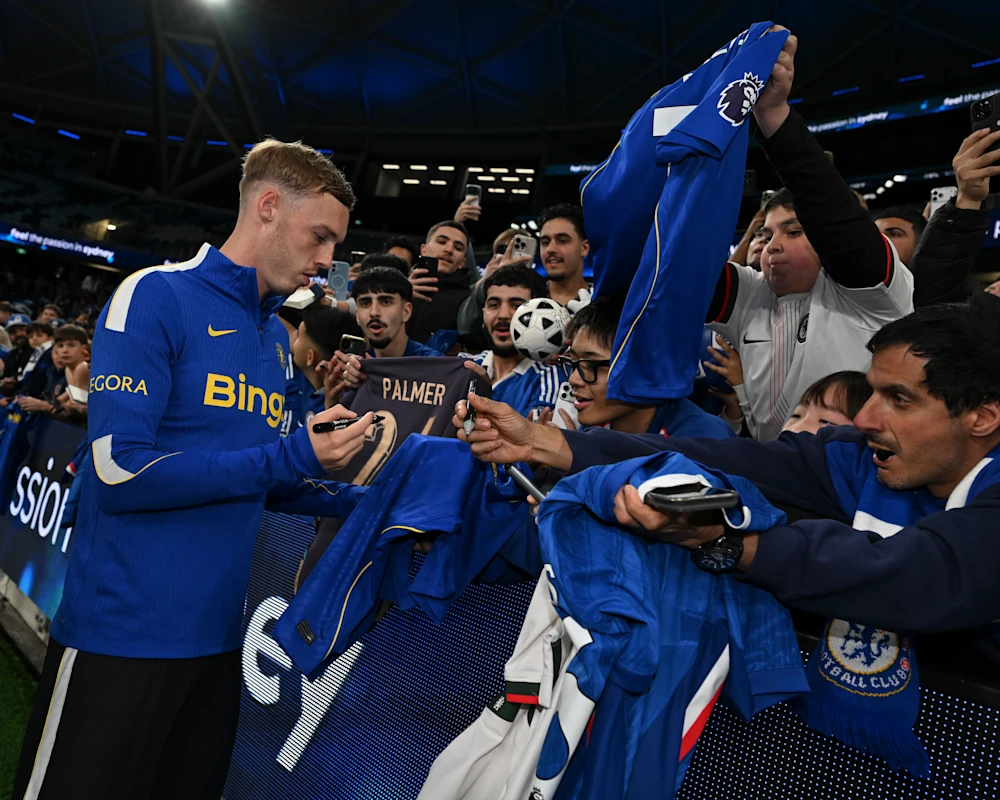
Earlier this week there were 50-60 people that came to training and the players stayed for hours after training just signing autographs and talking to everybody. It’s really a core value and what we have is something special here on the Central Coast because the players live here and understand how important the club is to the community, being not only the only elite football team but the only sports club on the Coast. This means we represent the Coast on a national level and that comes with an expectation and that buy-in is needed. And if there’s a player, staff member or coach who doesn’t feel that affinity with the region they rarely last long and rarely perform for us. So, it becomes important in our recruitment of players and staff that we see someone’s going to buy-in to what is so special about Central Coast Mariners.

The Central Coast are set to field an A-League Women’s side for the 2023-24 season. How has that process been and what are the next steps to ensuring that team is ready to go for next season?
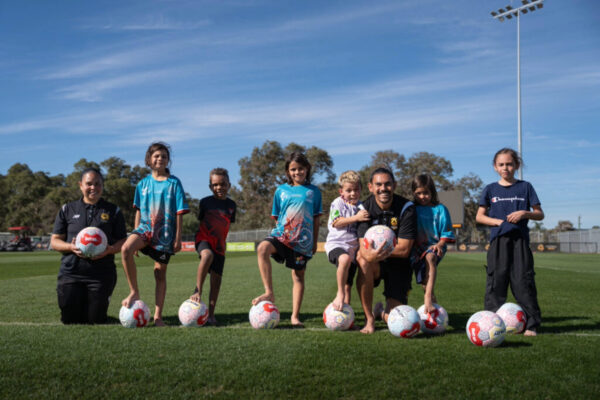
Shaun Mielekamp: That’s really exciting because it completes the football ecosystem for us here on the Central Coast where we are the number one sport in all areas from young players at grassroots level all the way through to the professional game, its really exciting. Now to have a women’s team offering a professional career for female players is so exciting and it provides another group of athletes to be role models for young girls.
We are looking to lock in the head coach at the start of the new year. We’re commencing training from July 1, so that we can start our recruiting and bringing players in that will be leveraged off of the Women’s World Cup. Hopefully we’re able to recruit some of the players participating in that, and then we’re off and going in November.
Probably the biggest challenge at the moment is making sure that we’ve got all of the resources that we need to make sure that there’s parity with the men’s and that it doesn’t come as any detriment to the men’s either. We’re really excited that Dan Barrett is driving the women’s academy, that’s a huge advantage that we have over the other clubs being that we have an already established and producing academy. And now all of the girls in that academy get to see a pathway not only through to A-League Women’s but also through to the Matildas. If we can start producing Young Matildas that are born and raised on the Central Coast, then we’re doing our job for Australian football.
As a region, the Central Coast offers massive potential to grow football. With the Mariners serving as the region’s flagship team that is distinguished by an ambition to bring through youngsters, what would you like to see from Central Coast Council in terms of investment into infrastructure and facilities?
Shaun Mielekamp: Really simply we need synthetic fields. As we speak it’s raining heavily in NSW and that means kids aren’t kicking footballs when they could be. We understand that the Central Coast Council is in a financial hole that it’s digging itself out of, and we believe they’ve done a great job in appointing VenuesLive for the stadium and we are confident that the stadium will deliver what it needs to from a matchday perspective. What we need from Council right now is more training facilities that will benefit all athletes and squads across the Coast.

How are you feeling ahead of the upcoming A-League Men’s season? What are you expecting from the Mariners?
Shaun Mielekamp: I’m really excited because we’ve had such a great pre-season. We’ve had the biggest pre-season we’ve probably ever had in the club’s history with the number of A-League games that we’ve had. Previously the budget has held us back in delivering the pre-season that we really wanted to, so I’m excited to see how that will translate to on-field performance. I’ve got absolutely all of the confidence in Monty and the players that they’ll give everything out in the field and represent the community and the club with great pride and produce results.
I suppose if anything I’m really hoping that the club continues to step forward and for myself, I’d love to see a home semi-final. That’s what we just missed out on last year, and I feel if we had that, we would’ve gone on to bigger and better. If we can get that first packed-out home semi-final done then I know the boys will be up for it and can take us a long way.
Our stadium is so special, it’s such a great football venue. Everyone’s harping on about Allianz Stadium but for me, it doesn’t have any water views. So, we’ve got stuff that others can’t buy and that’s really special. Everybody who can get to a Mariners game and who supports us, get to the games, every voice right now is so important for us.