

Levi’s and Inter Miami CF launch cultural streetwear line

Levi’s, the iconic American heritage denim brand known for self-expression, has made its move into the football sponsorship arena with a fresh partnership alongside Inter Miami CF. This collaboration launches a co-branded streetwear capsule inspired by Miami’s unique cultural vibe and the shifting lifestyle trends in football merch.

Unveiled ahead of Inter Miami’s FIFA Club World Cup group stage campaign, the agreement sees Levi’s stepping up as more than just a clothing supplier — they’re becoming a true cultural collaborator. The deal features fan-focused activations, retail tie-ins, and limited-edition releases designed to bring fashion and football fandom closer than ever.

The collaboration was launched with a locally focused yet strategically framed campaign, featuring custom patchwork inspired by Inter Miami’s crest and the city’s vibrant energy. Fans are invited to personalise Levi’s denim at live events, kicking off with an on-site activation at Chase Stadium on June 18. A Levi’s Airstream pop-up will also offer custom patch applications at Inter Miami’s official team store.

The following day, the partnership will be brought to life during an official watch party at La Tropical in Miami, coinciding with the club’s international fixture against FC Porto. Fans attending will receive co-branded merch with qualifying purchases and enjoy interactive brand experiences.

Beyond the pop-up events, the campaign will roll out across local retail channels, including Levi’s stores at Aventura, Brickell, and Dadeland malls. From June 20 to July 13, shoppers purchasing denim will receive exclusive Inter Miami x Levi’s patches, a move designed to boost regional presence and drive retail foot traffic.

The deal marks Levi’s entry into a growing wave of fashion brands partnering with football clubs, not through traditional technical sponsorships, but through a lifestyle positioning. For Inter Miami CF, the collaboration highlights the club’s ambition to grow its brand beyond the traditional confines of Major League Soccer, embracing streetwear, design, and experiential marketing.

As merchandising shifts from purely transactional to emotional connections, partnerships like this allow clubs to engage Gen Z and Gen Alpha fans, where identity, customisation, and self-expression are key drivers of brand loyalty.

The initiative also cements Inter Miami’s reputation as one of the most culturally relevant football clubs in North America, a status that will be further boosted by its international fixtures and rising global profile throughout 2025.

For Levi’s, the collaboration provides a platform to strengthen its brand relevance within the sports and youth lifestyle space, without diving into the crowded technical apparel market. By basing the activation in Miami, a city known for its creative energy and multicultural vibe, the brand can pilot an integrated retail and sports strategy with potential to expand elsewhere.

This alliance reflects a growing trend in football where merchandising has evolved from a side revenue stream into a core brand-building pillar. Clubs are increasingly teaming up with fashion labels, streetwear designers, and lifestyle platforms to broaden their appeal, craft fresh narratives, and embed themselves within cultural movements.
Previous ArticleNext Article

WA Government and Virgin Australia Partner to Bring Discounted Flights for Italian Football Series in Perth

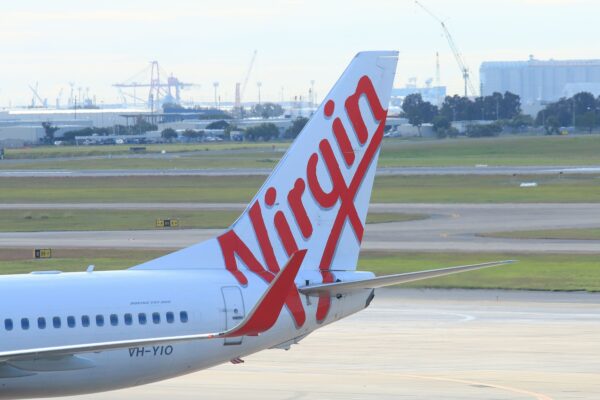
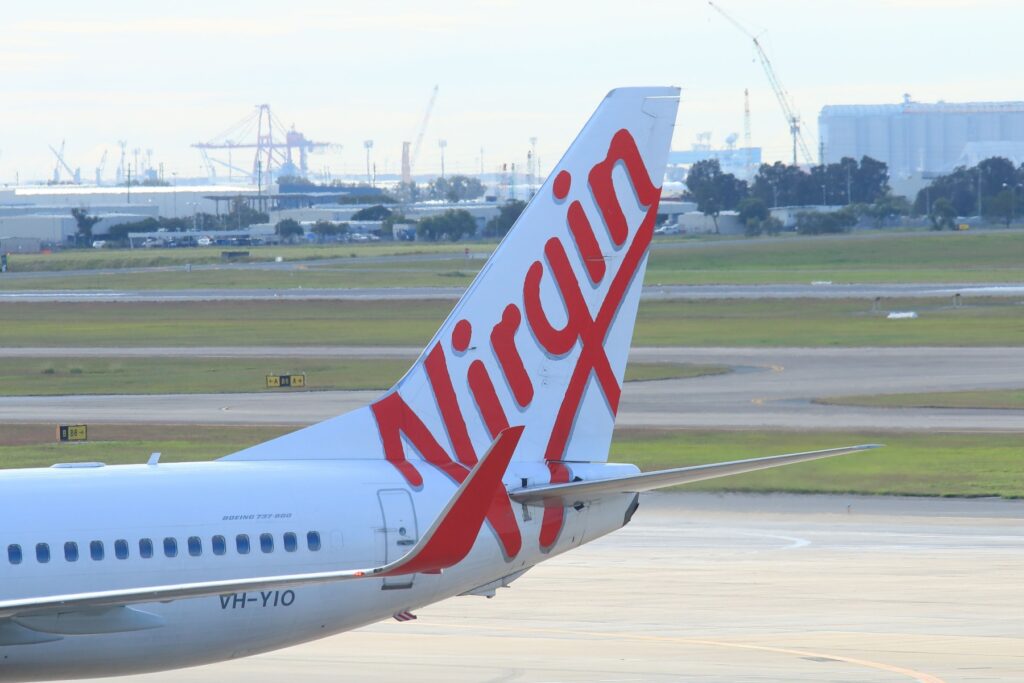
The Western Australian Government has partnered with Virgin Australia to offer discounted airfares to Perth ahead of a three-match series featuring AC Milan, Inter Milan, Juventus and Palermo, in a move that reflects how state governments are increasingly using major sporting fixtures as tools of tourism and economic strategy.

Subsidising travel costs rather than simply promoting the matches signals a shift in how state governments are approaching major sporting events. WA Tourism Minister Reece Whitby positioned the series within the state’s broader Winter of Unmissable Sport strategy, framing the partnership as a way to fill hotels, support local businesses and generate visible economic activity across a single week of programming. That logic places football alongside other major events states have used to justify public investment in visitor attraction, where the return is measured in tourism spend rather than ticket revenue alone.

A bet on Australia’s appetite for European football

Touring Italian clubs is not a routine occurrence in Australia, and Sport and Recreation Minister Rita Saffioti’s comments point to an underlying assumption behind the investment: that the existing fan base for European football in Australia is substantial enough to justify a state government underwriting travel costs to fill a stadium on the other side of the country.

Australian audiences for international football have grown considerably over the past decade, driven by streaming access, diaspora communities and the rising visibility of leagues once difficult to follow locally. State governments positioning themselves to capture economic value from that growth, rather than leaving it to broadcasters and travel operators, marks a change in how football’s commercial footprint in Australia is being treated by policymakers.

It also raises a question likely to recur as more international club fixtures are scheduled in Australian cities: whether public subsidy for travel around marquee football events delivers economic value beyond the host city, or whether the benefit is concentrated narrowly within the host state’s tourism and hospitality sectors. Virgin Australia’s involvement reflects the commercial logic on the airline side, with the partnership forming part of a broader push to connect Australians with major domestic and international destinations.

For the domestic football industry, the series is a reminder that international club football is competing for the same audience attention as the A-Leagues and grassroots competitions. Whether that competition proves complementary or extractive, in terms of where football-related spending in Australia ultimately lands, is a question state and national football bodies are likely to watch closely as similar fixtures become more frequent.

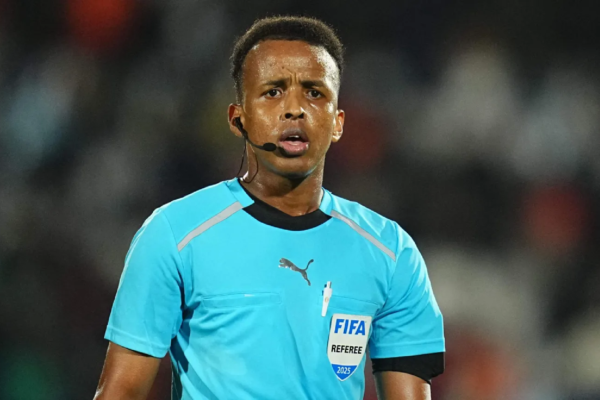
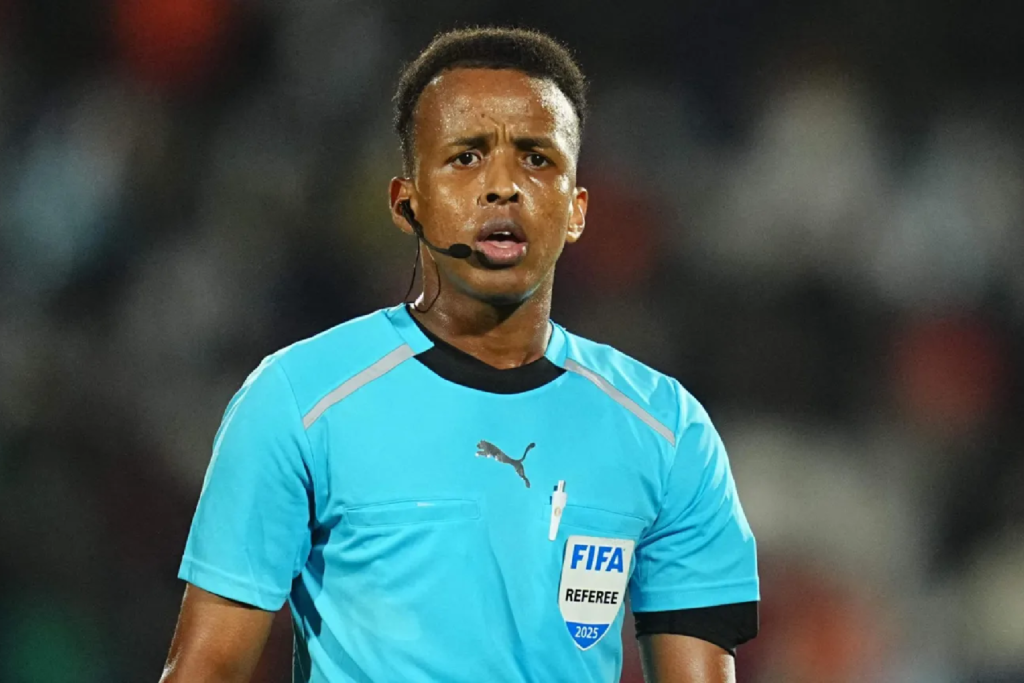
Referee Omar Artan appointed to UEFA Super Cup Final

The Somali referee will officiate the 2026 UEFA Super Cup in August between Paris Saint-Germain and Aston Villa.


World Cup controversy to Super Cup support

As 2025’s CAF Men’s Referee of the Year, Artan stands as one of the world’s leading match officials.

His expertise and skill allowed him to enter FIFA’s international list in 2018, and has since proved an outstanding ability as a referee, culminating in the CAF Men’s Referee of the Year award last year.

Despite Artan’s capabilities and reputation, his dream of officiating this summer’s World Cup tournament met a premature ending. The referee couldn’t enter into the US after arriving on a diplomatic passport and single entry visa, and was subsequently forced to return home to Somalia.

But Artan’s journey as a referee on the global stage is far from over, as UEFA and CAF confirmed that Artan will officiate the UEFA Super Cup clash between Champions League winners, PSG, and Europa League winners, Aston Villa, in Salzburg this August.


Upholding the partnership

In April of this year, UEFA and CAF signed a new Memorandum of Understanding (MoU), which promised to utilise mutual support to encourage development, inclusion and wellbeing in football.

The MoU aligns unity, cohesion and partnership between two powerhouse continents of world football.

And now, the alignment is stronger and clearer than ever. In the midst of a major blow to Artan’s personal and professional dreams, UEFA and CAF’s partnership provided an opportunity.

“Omar is an excellent young but already experienced referee, who has proven himself at the highest competition level of the Confederation of African Football,” said UEFA President Aleksander Čeferin via media release.

“Football is made to connect people, and UEFA wants to show its respect to Omar and his outstanding officiating skills, which had earned him such a prestigious nomination.”

Furthermore, CAF President, Dr Patrice Motsepe, outlined why the initiative perfectly embodies the nature of a partnership between UEFA and CAF.

“This is a great honour for Omar Artan and for African referees and is also an excellent example of football bringing together and uniting people from Africa and Europe and worldwide.”


Final thoughts

Out of bitter disappointment and controversy comes a far more positive reflection of football’s influence and impact. It also proves that an MoU is more than just signatures, but a genuine promise to support the game and all within it.

A partnership like this has the power to help millions at once.

But sometimes, helping just one person is all it takes to prove its worth.

Most Popular Topics

Editor Picks

Send this to a friend