
Level the Playing Field: Football Unites at Parliament House to Back Grassroots Growth

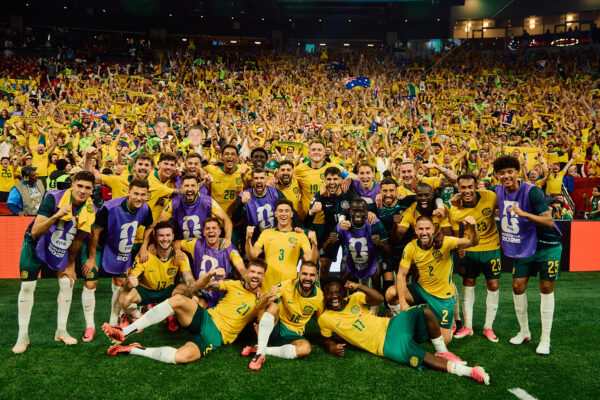
Victorian football’s most influential voices gathered at Parliament House last Wednesday to officially launch the Level the Playing Field campaign. The initiative is a united call to strengthen grassroots infrastructure and ensure every child has access to safe, modern facilities.

Hosted by Football Victoria alongside members of the Parliamentary Friends of Football, the event brought together MPs from across the political spectrum, A-League representatives, community clubs and emerging players, reinforcing one clear message: when football thrives, Victoria thrives.

Football Victoria Chair Dr Angela Williams delivered a powerful address, drawing on her professional experience to underscore sport’s social impact.

“You belong when you play football,” she said. “It is the same healthy place to play — regardless of race, religion or background. Young people in sport are healthier and safer. That’s what this is about.”

The campaign comes at a pivotal moment for the game. Participation across Victoria has surged to more than 127,000 registered players, with female participation experiencing significant growth in recent years. A legacy of the recent success of the Australian women’s national team.

Yet, as speakers emphasised, infrastructure has not kept pace.

Former Socceroo and community advocate Carl Valeri reflected on the contrast between elite and grassroots environments, highlighting the importance of stronger community facilities.

“When you walk into a community facility, there’s the same love and passion,” Valeri said. “But the infrastructure doesn’t always match. That infrastructure can turn away the kids who decide to play later, or those who might be facing challenges at home. For me, community football is important because we have to keep kids involved in the game.”

 Image Credit: Football Victoria/Avellino Photography 

Current and emerging players echoed the sentiment. Young footballer Kara Crnac highlighted how quality facilities build confidence and create opportunity, while coach and talent pathway representative Maddison Kamolins stressed the importance of safe, inclusive environments.

Image Credit: Football Victoria/Avellino Photography

Government representatives acknowledged more than $100 million in recent football facility investment, including the state’s landmark commitment to Home of the Matildas at La Trobe University, while recognising further support is required at the grassroots level.

Football Victoria CEO Dan Birrell described the campaign as both collaborative and forward-looking.

“We’re going to be visible; we’re going to be active and we’re going to be strong advocates for our clubs,” he said. “Every elite career begins at a community ground. If we want stronger communities and stronger representation on the world stage, we must invest where it all begins.”

With the AFC Women’s Asian Cup on the horizon and continued momentum across domestic competitions, the message from Parliament was clear: the next generation of Matildas and Socceroos is already here.

Now, it’s time to level the playing field, sign the petition here.
Previous ArticleNext Article

Football West runs Indigenous pilot program during NAIDOC Week’s 50th anniversary

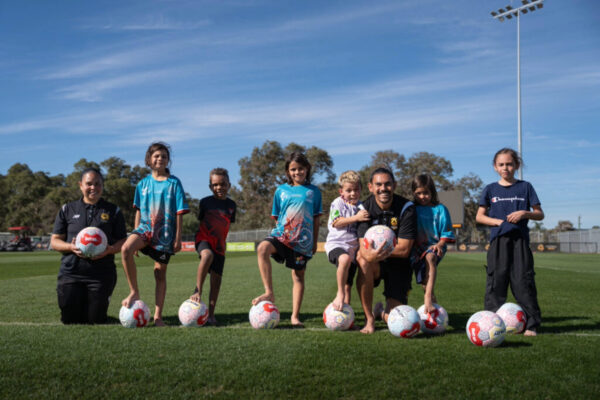
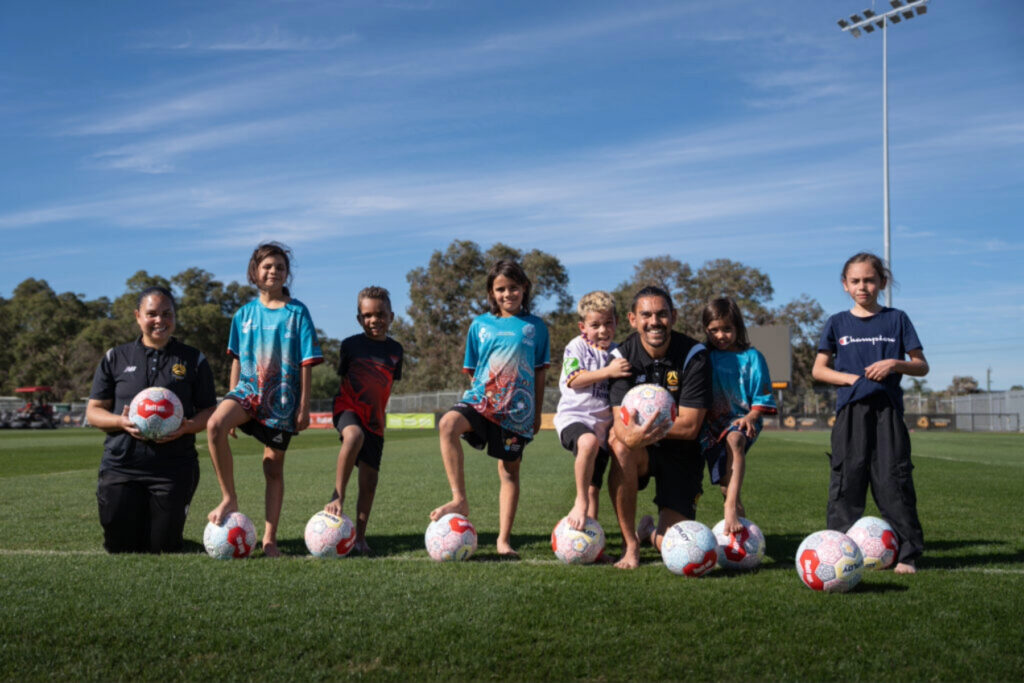
Football West ran a pilot program for Indigenous children at the Sam Kerr Football Centre during NAIDOC Week’s 50th anniversary. Former Socceroo David Williams delivered the session.

This year’s national NAIDOC theme, “50 Years of Deadly,” marks five decades since the movement began. It honours the Elders, artists and communities who built it.

“Having these young indigenous kids here at the Sam Kerr Football Centre was great to see,” Williams said. “The feeling they got running around the same pitch the Socceroos and Matildas have trained on was special for them and me.”

A player turned administrator

Williams retired from professional football in November 2025 after a career-ending ACL injury. As a teenager he trained with Club Brugge and Liverpool, and coach Miron Bleiberg once described him as the “best Australian prospect since Harry Kewell.”

He went on to become the first Indigenous player to represent Melbourne City, scored in the UEFA Cup against Eintracht Frankfurt, and won the Indian Super League with ATK.

Since retiring, Williams has moved into administration at Football West. He also sits on the Indigenous Football Australia Council, which oversees the grassroots initiative John Moriarty Football.

A name with its own history

Football Australia named Williams head coach of the Charles Perkins XI last year, the governing body’s national Indigenous youth team. Football Australia renamed the side in 2025 in honour of Dr Charles Perkins AO, following endorsement from the Perkins family and the National Indigenous Advisory Group.

Perkins, an Arrernte and Kalkadoon man, played for Adelaide Croatia and Pan Hellenic in the 1950s. He went on to become the first Aboriginal Australian to graduate from university and a leader of the 1965 Freedom Rides.

Football Australia has described the renamed team as reflecting a commitment to embedding cultural identity and leadership within its high-performance pathway for Aboriginal and Torres Strait Islander youth.

What happens next

“After living out my dream as a professional player, to now being able to offer experiences like this and hopefully inspire the next generation of young Indigenous footballers is very rewarding,” Williams said. “There is also a lot of talent that we can tap into.”

He said running the session during NAIDOC Week let Football West mark two things at once. “Creating a fun session for these kids during NAIDOC Week meant we could celebrate culture and sport in one go,” he said.

Williams wants the session to become a regular fixture rather than a single event. “Going forward, I would love to put on more of these programs throughout the year and get more indigenous youngsters playing football,” he said.

Football West has not yet confirmed funding or a schedule for further sessions.

World Cup ‘Not For Sale’: Confederations unite against Infantino’s private investment plan

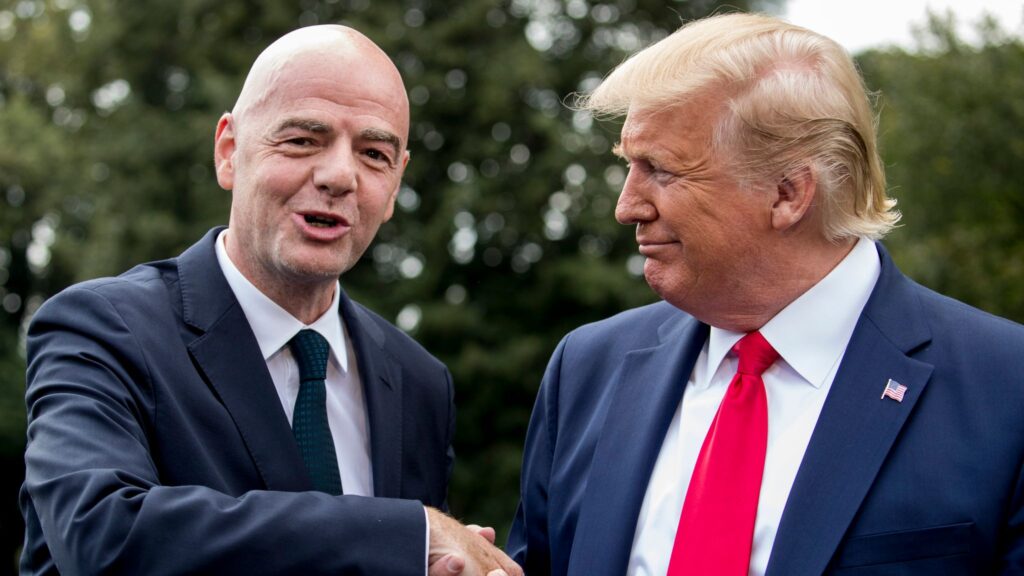
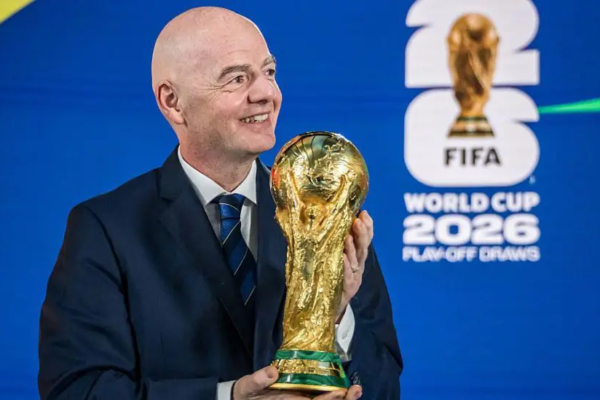
The global backlash to FIFA President Gianni Infantino’s proposal to sell a minority stake in a new commercial entity overseeing the FIFA World Cup and other major global competitions has continued to intensify. Two of the most powerful confederations have now taken a stand against Infantino’s plan.

UEFA and CONCACAF, in separate statements released today, spoke on behalf of Europe and North America, totalling 96 FIFA member associations. They rejected the proposal, citing serious concerns over governance, transparency and the long-term future of the world’s biggest sporting events.

UEFA’s message left little room for interpretation and has now taken action, boycotting FIFA tournaments.

“The World Cup cannot be treated as an investment product,” Europe’s governing body said in its statement.

“The World Cup is not for sale.

UEFA has decided European nations will not participate in any FIFA tournaments if the proposal goes ahead. This includes next year’s FIFA Women’s World Cup and the 2030 World Cup, of which Spain and Portugal are amongst the hosts.

CONCACAF echoed many of those concerns following meetings involving its member associations. They highlighted what it described as a lack of due process surrounding the proposal.

The confederation questioned the compressed decision-making timeline and the absence of review by FIFA’s governance bodies. The governing body of North America didn’t see the need to seek private equity investment following what has been described as the most profitable FIFA World Cup in history.

Rather than endorsing the proposal, Concacaf instructed its FIFA Council members to engage with FIFA on alternative solutions. These included using FIFA’s existing financial reserves to increase investment in football development across the region.

Growing resistance

Infantino’s proposal would establish a new commercial company, reported to be valued at around AUD $29 billion (USD $20 billion). FIFA seeks to sell up to a 20% stake to outside investors while retaining sporting control. FIFA argues the move would unlock billions in additional development funding for its member associations.

However, critics argue the process has moved forward with insufficient consultation and risks fundamentally changing the priorities of world football.

FIFA and Infantino only need a majority of 106 member states for this proposal to pass. However, with UEFA refusing to play in tournaments and considering other confederations that may choose similar action, the proposal hangs in the balance.

The opposition is no longer confined to Europe and North America. Both Asia’s AFC and South America’s CONMEBOL have signalled their displeasure, having not been consulted on the proposal.

A defining moment for FIFA

With several of football’s most influential confederations now publicly opposing the proposal, Infantino faces one of the biggest governance challenges of his presidency.

While FIFA maintains that sporting decisions would remain under its control, UEFA and CONCACAF have made it clear that football’s most iconic competition should remain a public sporting asset rather than an investment vehicle.

As negotiations continue, it is yet to be seen who else may take a stand against Infantino, but without any European nations partaking in global tournaments, FIFA’s grand plan has taken a major blow.

Most Popular Topics

Editor Picks

Send this to a friend