


Macca’s City Cup 2026: Providing the stage to perform in Victoria

The fifth edition of the Macca’s City Cup, brought to the community by McDonald’s Victoria and Melbourne City FC, will unite thousands of players, supporters and coaches from across Victoria later this month.

Participation at an all-time high

Last year, the 2025 Macca’s City Cup was a resounding success for all players and participants involved.

Over a mere three days of action, the tournament saw 370 teams compete, bringing together over 4000 participants across 903 total games played. In fact, it became the biggest junior tournament in Australia.

Although these numbers are hugely impressive and prove that youth football participation is stronger than ever before, this year promises to go one step beyond.

With 384 teams registered, players and supporters alike can expect to see plenty of action and talent on display when the competition kicks off on Friday 27 March.

The chance to play and perform

The Macca’s City Cup is a shining display what truly matters when it comes to the grassroots game: encouragement, participation and competition. We spoke to Director of Australian Football Skool, Rolando Navas, about the tournament’s popularity and importance for young footballers in Victoria.

“We’ve been overwhelmed by the amount of teams that have registered this year,” said Director of Australian Football Skool, Rolando Navas.

“For this year, there will be 388 teams that we’ll admit into the competition. That equates to about over 5000 players,”

“We make an effort to make sure there are as many competitive games as possible, across all age groups. One of the really positive things I’ve seen is the number of girls teams that have joined this year – it’s been incredible.”


Combined community effort

Kids of all ages – boys and girls – will be arriving in their thousands for the biggest pre-season tournament in the state. The sheer number of participating teams is testament to AFS’ commitment to providing a supportive sporting environment year after year, as well as to the continued support from McDonald’s Victoria, Melbourne City FC and the City of Casey.

“We’re obviously using three venues this year: Casey Fields, Inez Hunter Reserve and Ramlegh Reserve,” Navas continued.

“They’re amazing fields and, without [the City of Casey], we wouldn’t be able to host such an event.”

It is thanks to the combined dedication of the organisers and partners that young footballers in Victoria will have the chance to showcase their ability once again and, most importantly, enjoy the sport they love the most.
Previous ArticleNext Article

Football West runs Indigenous pilot program during NAIDOC Week’s 50th anniversary

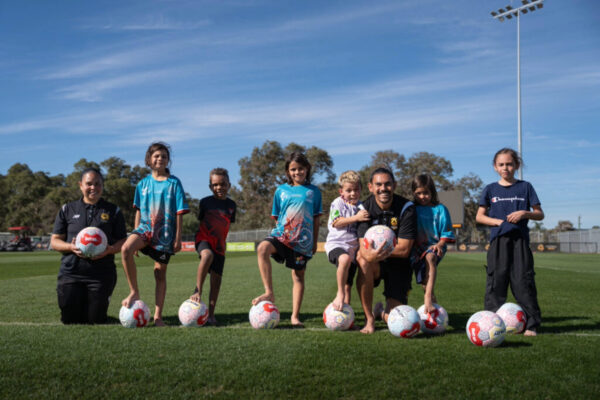
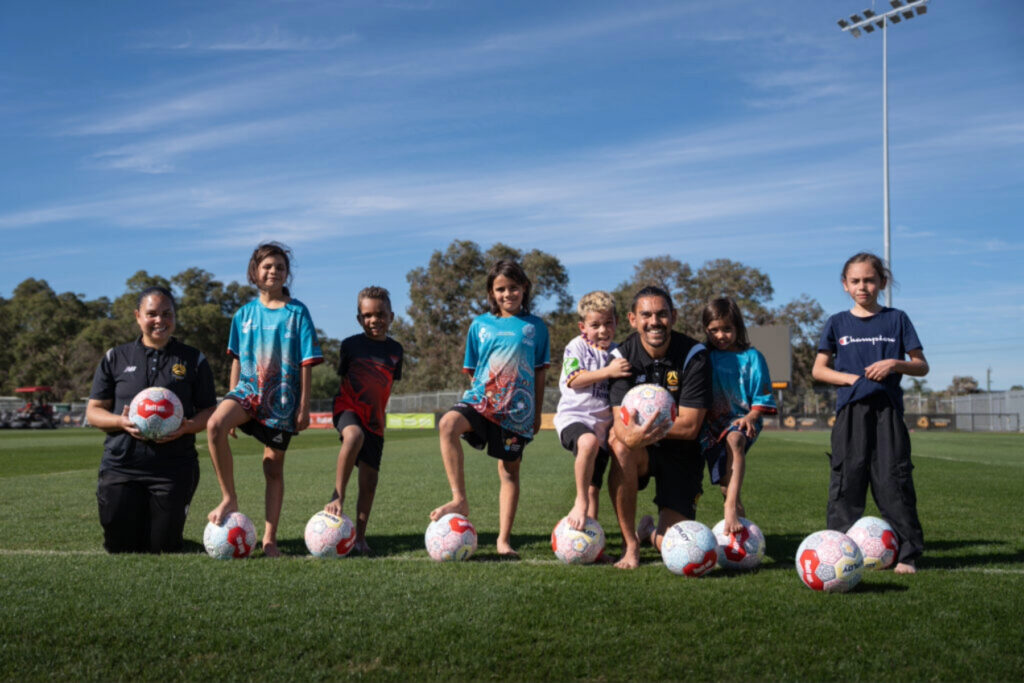
Football West ran a pilot program for Indigenous children at the Sam Kerr Football Centre during NAIDOC Week’s 50th anniversary. Former Socceroo David Williams delivered the session.

This year’s national NAIDOC theme, “50 Years of Deadly,” marks five decades since the movement began. It honours the Elders, artists and communities who built it.

“Having these young indigenous kids here at the Sam Kerr Football Centre was great to see,” Williams said. “The feeling they got running around the same pitch the Socceroos and Matildas have trained on was special for them and me.”

A player turned administrator

Williams retired from professional football in November 2025 after a career-ending ACL injury. As a teenager he trained with Club Brugge and Liverpool, and coach Miron Bleiberg once described him as the “best Australian prospect since Harry Kewell.”

He went on to become the first Indigenous player to represent Melbourne City, scored in the UEFA Cup against Eintracht Frankfurt, and won the Indian Super League with ATK.

Since retiring, Williams has moved into administration at Football West. He also sits on the Indigenous Football Australia Council, which oversees the grassroots initiative John Moriarty Football.

A name with its own history

Football Australia named Williams head coach of the Charles Perkins XI last year, the governing body’s national Indigenous youth team. Football Australia renamed the side in 2025 in honour of Dr Charles Perkins AO, following endorsement from the Perkins family and the National Indigenous Advisory Group.

Perkins, an Arrernte and Kalkadoon man, played for Adelaide Croatia and Pan Hellenic in the 1950s. He went on to become the first Aboriginal Australian to graduate from university and a leader of the 1965 Freedom Rides.

Football Australia has described the renamed team as reflecting a commitment to embedding cultural identity and leadership within its high-performance pathway for Aboriginal and Torres Strait Islander youth.

What happens next

“After living out my dream as a professional player, to now being able to offer experiences like this and hopefully inspire the next generation of young Indigenous footballers is very rewarding,” Williams said. “There is also a lot of talent that we can tap into.”

He said running the session during NAIDOC Week let Football West mark two things at once. “Creating a fun session for these kids during NAIDOC Week meant we could celebrate culture and sport in one go,” he said.

Williams wants the session to become a regular fixture rather than a single event. “Going forward, I would love to put on more of these programs throughout the year and get more indigenous youngsters playing football,” he said.

Football West has not yet confirmed funding or a schedule for further sessions.

World Cup ‘Not For Sale’: Confederations unite against Infantino’s private investment plan

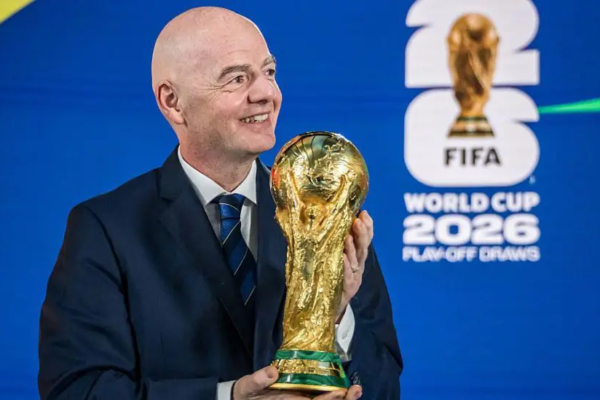
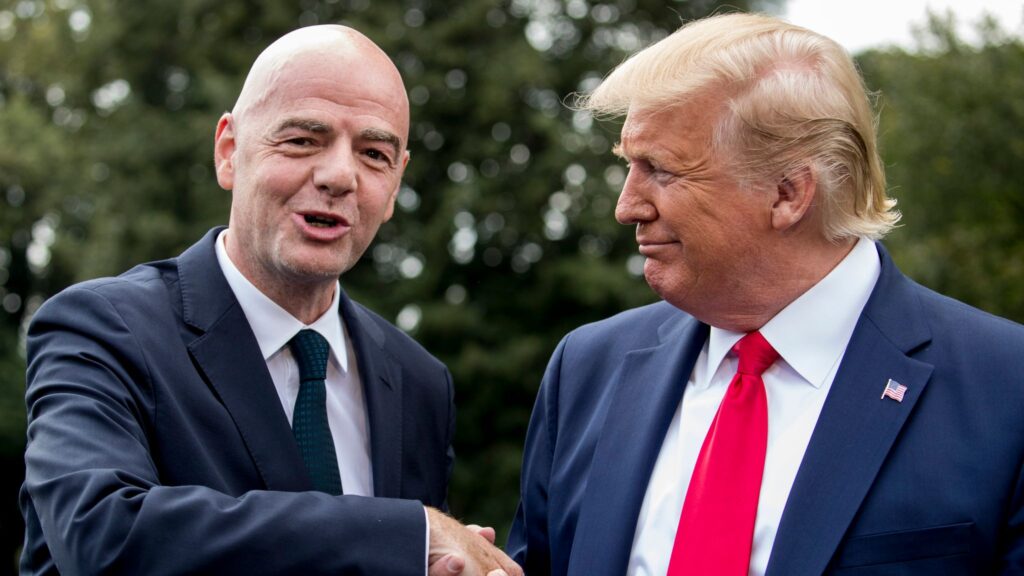
The global backlash to FIFA President Gianni Infantino’s proposal to sell a minority stake in a new commercial entity overseeing the FIFA World Cup and other major global competitions has continued to intensify. Two of the most powerful confederations have now taken a stand against Infantino’s plan.

UEFA and CONCACAF, in separate statements released today, spoke on behalf of Europe and North America, totalling 96 FIFA member associations. They rejected the proposal, citing serious concerns over governance, transparency and the long-term future of the world’s biggest sporting events.

UEFA’s message left little room for interpretation and has now taken action, boycotting FIFA tournaments.

“The World Cup cannot be treated as an investment product,” Europe’s governing body said in its statement.

“The World Cup is not for sale.

UEFA has decided European nations will not participate in any FIFA tournaments if the proposal goes ahead. This includes next year’s FIFA Women’s World Cup and the 2030 World Cup, of which Spain and Portugal are amongst the hosts.

CONCACAF echoed many of those concerns following meetings involving its member associations. They highlighted what it described as a lack of due process surrounding the proposal.

The confederation questioned the compressed decision-making timeline and the absence of review by FIFA’s governance bodies. The governing body of North America didn’t see the need to seek private equity investment following what has been described as the most profitable FIFA World Cup in history.

Rather than endorsing the proposal, Concacaf instructed its FIFA Council members to engage with FIFA on alternative solutions. These included using FIFA’s existing financial reserves to increase investment in football development across the region.

Growing resistance

Infantino’s proposal would establish a new commercial company, reported to be valued at around AUD $29 billion (USD $20 billion). FIFA seeks to sell up to a 20% stake to outside investors while retaining sporting control. FIFA argues the move would unlock billions in additional development funding for its member associations.

However, critics argue the process has moved forward with insufficient consultation and risks fundamentally changing the priorities of world football.

FIFA and Infantino only need a majority of 106 member states for this proposal to pass. However, with UEFA refusing to play in tournaments and considering other confederations that may choose similar action, the proposal hangs in the balance.

The opposition is no longer confined to Europe and North America. Both Asia’s AFC and South America’s CONMEBOL have signalled their displeasure, having not been consulted on the proposal.

A defining moment for FIFA

With several of football’s most influential confederations now publicly opposing the proposal, Infantino faces one of the biggest governance challenges of his presidency.

While FIFA maintains that sporting decisions would remain under its control, UEFA and CONCACAF have made it clear that football’s most iconic competition should remain a public sporting asset rather than an investment vehicle.

As negotiations continue, it is yet to be seen who else may take a stand against Infantino, but without any European nations partaking in global tournaments, FIFA’s grand plan has taken a major blow.

Most Popular Topics

Editor Picks

Send this to a friend