

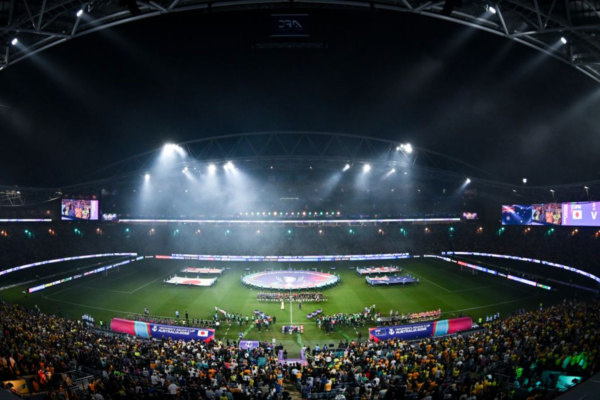



A total of 765 football clubs had registered to compete in the 2020 FFA Cup, yet a recent decision to cancel the competition may well have put its future in doubt.
Football Federation Australia arrived at the necessary yet unfortunate decision last week whilst also announcing the cancelation of the NPL Finals series due to the effects of the COVID-19 pandemic. In terms of the NPL Finals Series, the financial ramifications of the last six months will no doubt have played a major role in informing the move. Interstate travel appears an impossibility considering the losses in gate takings and sponsorship that each and every club across the country will have no doubt experienced in 2020.
A return to NPL play may well see the clubs delve even further into the red as running costs continue to remain higher than the meagre amounts being accumulated in sponsorship revenue and match day takings.
As for the FFA Cup, financial considerations will also have played a role in the decision, yet the sheer logistics of the competition and the time now available to complete it must surely have proven the final nail in the coffin when it came to FFA’s announcement.
The preliminary rounds slated for early 2020 were obliterated by the pandemic and many teams would normally have been eliminated by this stage of the calendar year. With a frantic month of A-League action now upon us in an effort to complete a season that has stretched for near ten months and NPL play ramping up as we speak, the chances of cramming cup, NPL and A-League into the most chaotic of schedules and crowning champions in all three by Christmas, appears something of an impossible task.
Sadly, the 7th edition of Australia’s much loved and long awaited cup competition has been necessarily torpedoed by the governing body. More concerning are real fears that it may be the last we have seen of it.
The FFA Cup brought something unique to the domestic game and provided Australian fans with a basic tenant of football so longed for and domestically absent. All over the world, league competitions pause frequently, as both minnows and heavy hitters take their chances in knockout play in an attempt to raise their respective nation’s cup trophy.
Such a moment says nothing about consistency, staying the course or a clubs’ dominance in home and away play. Cup competition is all about the moment and the ability to seize one, particularly when teams from lower divisions force their way into the later stages and seek to scare the heck out of their top tier rivals.
Thus the phrase, ‘cupset’.
Despite Australia’s cup having never left the hands of the A-League clubs, the competition is structured in such a way that a lower tiered team always features in the final four. In much the same way that EPL teams are kept away from each other in England’s FA Cup, Australia’s elite clubs do not meet until the late rounds, with NPL clubs in full training and competition given the chance to knock off their fancied rivals who are still to build into top form during their pre-season.
Most years, the ‘cupset’ plays out.
With suburban grounds hosting matches in mid-winter conditions, the atmosphere of the FFA Cup is both unique and inspiring. Traditional clubs draw considerable support from their communities and the subsequent lift in performance of the semi-professional teams has been evident on many occasions during the competitions’ short but impressive history.
Without stern determination to ensure its survival and return, the FFA Cup may well be another in a long line of victims that the coronavirus takes in 2020.
The cold reality for NPL clubs in a post pandemic world will be financial struggle. The sponsorship and investment challenges mentioned above will remain evident for some time, with many clubs having been openly keen to cancel the 2020 NPL season for fears of only worsening their precarious financial position.
Similar headaches lie ahead for FFA, with a newly signed Fox Sports broadcast deal destined only to cover A and W League play, Socceroo World Cup qualifiers and friendlies, as well as friendly matches involving the Matildas.
As such, those cold winter nights with televised FFA Cup play and live reports from the other fixtures taking place around the country appear gone. Fox obviously saw little return on their investment and have dropped the cup competition as they lessen their overall financial commitment to football.
Whilst many will cite the FFA’s need to take over the production costs of the domestic game and potentially on-sell content to Foxtel, Kayo Sport and potentially other providers, such an endeavour is challenging, long term and involves considerable financial investment.
Doing so in an effort to spark the A and W League may be a fair objective, however, the logistics and expense in attempting to produce the FFA Cup in-house, may well be a bridge too far, especially considering the remote locations that often play host to important matches.
In its official press release FFA expressed a clear desire to bring back #themagicofthecup in 2021, yet despite its best intentions, the financial effects of the COVID-19 pandemic may well make such a return near impossible.