

Pascoe Vale FC faces opposition in effort to develop pitches

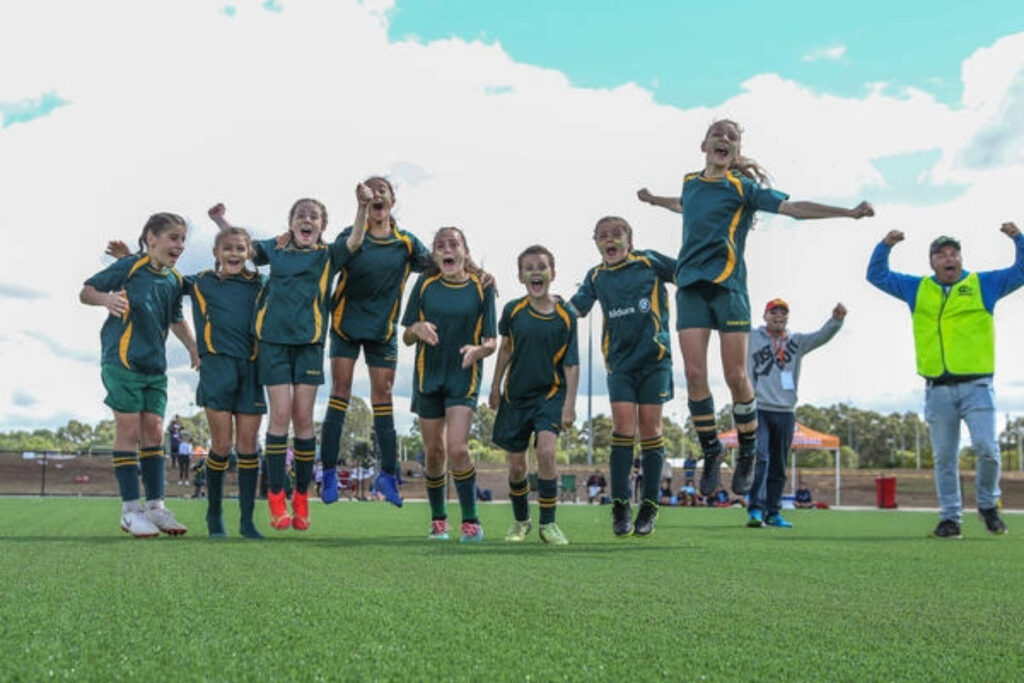
Pascoe Vale players

National Premier Leagues Victoria side Pascoe Vale FC has responded to opposition from locals to their proposed plans for Moreland’s Hosken Reserve pitch.

Plans to refurbish Hosken Reserve have been considered in the past, however Moreland City Council’s Hosken Reserve Masterplan represents the most recent effort to revamp the ground, with Pascoe Vale FC putting forward a plan to develop synthetic pitches for football use.

Assessing the options for The Hosken Reserve Masterplan refresh are a consortium group – theCommunityCollaborative, who will be considering which pathway is best to ensure a balanced approach to sport, community health and wellbeing.

Facing opposition from members of the public who fear the loss of space for their own recreational activities is Lou Tona, a spokesperson for Pascoe Vale FC. He acknowledged that the club is disappointed by the opposition they have faced throughout the consultation process.

Football at Hosken Reserve

Pascoe Vale FC are a staple of the Moreland community, not just as a provider of grassroots development for younger generations, but in exemplifying the values of the city itself through its practices, education of young people and their dedication to community growth.

Tona has cited that the attitudes of residents of the proposed plans have been nothing short of disappointing. Comments have been made by members of the ‘Keep Hosken Reserve Accessible for All group’ on social media, which Tona believes flies directly in the face of the values of Moreland as a city.

“We had a pop-up recently where there were many kids playing and parents there too, and they referred to us as ‘mafioso soccer goons’ online,” he said.

“In this day and age, we’re quite disappointed that this is what’s happening. As a club we are fully understanding of the consultation process, we’re fully invested in it and we fully believe in it. And we’re happy to move forward with whatever the outcomes are for the reserve and we’re looking forward to positive outcomes for the whole community.

“From day one of it heading to consultation we embraced and accepted that it needed to go that way. We’re all for freedom of speech and for working with the community. We want to be great neighbours; however, we just feel that some of our neighbours are throwing racist remarks, anti-football remarks and antagonistic remarks towards us as a club.

“Our submission & plans are to do with us as a football club and it being a sports reserve, and to be treated in that way has been extremely disappointing.

“The club stands for what the city of Moreland stands for – ‘One Community, Proudly Diverse’.”

Previous ArticleNext Article

More than 220 coaches attend Football South Australia’s second NOVA Youth Club Championship workshop

Football South Australia drew more than 220 coaches to its second NOVA Youth Club Championship Coaches Workshop in late May, underlining the scale of engagement clubs are generating through the state’s restructured youth competition framework.

The online session was facilitated by Football SA Technical Director Michael Cooper, who also serves as Junior Matildas Head Coach. Cooper shared observations from the AFC U17 Women’s Asian Cup and Australia’s qualification for the FIFA U17 Women’s World Cup, giving club-level coaches a window into the demands and standards of elite international football.

The presenter line-up extended that international lens further. Lachlan Tosh and Cristiano Dos Santos spoke to their experiences in national tournament environments, while legendary Australian coach Tom Sermanni addressed the fundamentals of youth coaching. Colin Sanctuary from the University of Newcastle examined coaching language and its direct influence on player learning.

Themes running across the session included the primacy of long-term player development over short-term results, with presenters consistently emphasising technique, ball mastery, individual improvement, and decision-making under pressure. Coaches were encouraged to expose players to varied styles of play, facilitate practice outside organised training, and help young players retain possession longer in match conditions.

Post-session feedback pointed to strong practical value, with coaches singling out clear communication, relationship-building, and age-appropriate feedback as key takeaways.

The workshop series sits within the broader transition from the Youth Premier League to the Club Championship model, which ties coaching participation to championship points for clubs and CPD credits toward individual coaching diplomas. Six workshops are scheduled across the season, with four still to come.

1200 players to descend on Geelong for Football Victoria Country Championships as Regional Football Enters New Era

More than 1,200 junior footballers from across regional Victoria will converge on Geelong this weekend for the 2026 Football Victoria Country Championships, with players representing eight regions competing across the King’s Birthday long weekend at Stead Park and Myers Reserve.

The tournament, which has been running since 1978 and has grown into one of the largest junior football events in the country, takes on additional significance this year. It marks the first Country Championships since Football Victoria announced a restructured regional football model in December 2025, making this edition an early measure of how that new framework translates into competitive outcomes at the representative level.

Sixty-seven teams will compete across Under-11 to Under-16 age groups for both boys and girls, with finals day scheduled for Monday. All fixtures and results will be available through the DRIBL app.

More than silverware

FV Regional Development Manager Lauren Stevens said the tournament represented something beyond the competitive results it produces.

“The Country Championships are an exciting opportunity for players from across regional Victoria to come together, represent their region and create lasting memories both on and off the pitch,” Stevens said. “This tournament has a rich history and continues to play an important role in bringing regional football communities together while providing players with the chance to experience a high-level representative environment and talent identification opportunity.”

That dual function is central to what makes the Country Championships structurally significant. For many players travelling to Geelong this weekend, a regional representative tournament is the highest level of football they have experienced. For some, it will be the environment in which they first come to the attention of Football Victoria’s technical staff and pathway programs.

The talent identification dimension carries particular weight at a moment when Football Victoria’s participation numbers are at record levels and the pipeline from community football to elite competition has never been more closely scrutinised. The 2025 Annual Report documented a 14 percent overall participation increase, with junior football among the fastest-growing segments. Tournaments like the Country Championships are where that growth begins to translate into representative opportunity for players who live outside metropolitan Melbourne.

Regional football in transition

The timing of this year’s Championships against the backdrop of Football Victoria’s regional restructure adds a layer of context that will be watched closely by administrators and clubs. The December 2025 announcement of the new regional model represented the most significant structural change to regional football governance in the state in some years, and the process of transitioning Life Members from regional associations into the Football Victoria honour roll at last month’s AGM reflected the scale of that change.

How the eight regions perform this weekend will offer an early indication of whether the restructured model is serving regional communities effectively.

The Corrie Koppen Fair Play Award, introduced last year to celebrate the life and legacy of the late Cornelius Koppen, adds a dimension to the competition that sits alongside the on-field results. The award is given to the region judged to have played and conducted itself in the spirit of the game, a recognition that how communities behave at a junior tournament is as meaningful as what they win.

Most Popular Topics

Editor Picks

Send this to a friend