



Premier League Chief Executive Richard Masters has reaffirmed his commitment to preserving the long-standing 3pm Saturday blackout, despite growing pressure from broadcasters and evolving fan expectations.
Under the current domestic broadcast agreements, worth £6.7 ($13.8 AUD) billion over four years, all matches not scheduled during the protected 3 pm window are televised. Masters emphasised that any alteration to the blackout would require agreement not just from the Premier League, but also from the EFL and the FA.
The blackout, which prohibits live broadcasts between 2:45 pm and 5:15 pm on Saturdays, was introduced to help protect match-day attendance, especially in lower leagues, by discouraging fans from staying home to watch top-tier fixtures.
Some broadcasters and streaming platforms have since argued that the blackout is now outdated, as it restricts access for fans and limits potential revenue growth. Sky Sports’ managing director Jonathan Licht has suggested that the conversation about ending the blackout will be unavoidable before the next rights cycle.
The current discourse regarding the 3 pm blackout begs the question: Is the 3 pm Blackout the way forward?
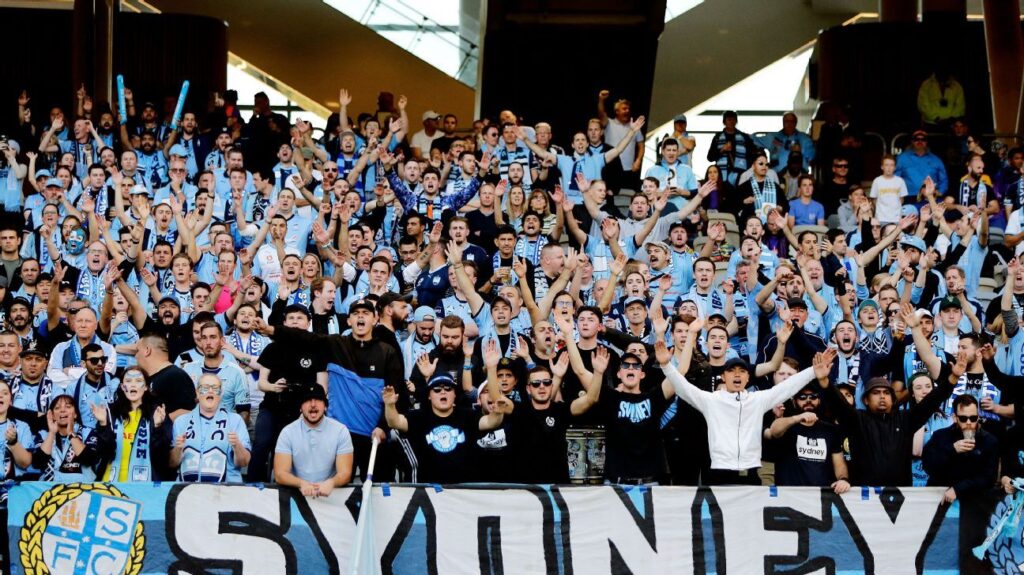
The 3pm blackout in English football, which prohibits the live television broadcast of matches commencing at 3pm on Saturdays, includes several notable positives . A primary benefit is its role in safeguarding attendance at lower-league and grassroots fixtures by encouraging supporters to attend local matches rather than remaining at home to watch higher level games on television.
This tradition contributes to the financial sustainability and vitality of smaller clubs, which are integral to the structure of the English football pyramid. Furthermore, the blackout preserves the traditional Saturday afternoon match-day experience, maintaining the sense of ritual and anticipation that has long been a defining feature of English football culture.
By ensuring that not all football is consumed through televised media, the policy reinforces the sport’s connection to local communities and its enduring social significance.
However, the 3pm blackout also presents several disadvantages. In an era characterised by global broadcasting and digital streaming, the regulation can appear outdated and restrictive, particularly as it limits access for supporters who are unable to attend matches in person.
It excludes many fans, especially those residing abroad or further away from their chosen clubs from watching live fixtures, therefore decreasing engagement with both individual teams and the league as a whole. From an economic perspective, the blackout constricts potential broadcasting revenue for clubs and the Premier League, especially in comparison with other European leagues that permit full televised coverage.
Additionally, the widespread availability of illegal streaming services undermines the effectiveness of the blackout, suggesting that the rule may no longer fulfil its intended purpose and may instead alienate modern audiences accustomed to on-demand viewing.
The 3pm blackout, once a cornerstone of English football tradition, has increasingly become an outdated policy in today’s digital and globally connected sporting landscape. The rule preventing live broadcasts between 2:45 and 5:15pm on Saturdays no longer reflects the realities of modern fan behaviour or media consumption.
Indeed, supporters today engage with football through global streaming platforms, social media, and on-demand highlights, meaning the idea that televised matches at 3pm would significantly reduce live attendance has become largely obsolete.
Furthermore, many fans particularly those living abroad or far from their home clubs are left frustrated by the inaccessibility of matches, leading to a surge in illegal streaming that undermines both broadcasters and the sport’s integrity.
In contrast, other major European leagues broadcast all fixtures live without experiencing notable declines in stadium attendances, demonstrating that accessibility and fan engagement can coexist with healthy gate receipts.
Likewise, maintaining the blackout restricts potential revenue growth for clubs and the Premier League, limiting opportunities to innovate and reach new audiences worldwide.
Rather than clinging to tradition for tradition’s sake, English football would benefit from exploring alternative solutions such as offering regional streaming options, flexible kick-off times, or discounted local match tickets to protect lower tiers while modernising access for all fans.
Ultimately, such approaches would preserve the spirit of community football while embracing the technological and cultural shifts shaping how supporters interact with the game. Clearly, the 3pm blackout no longer serves its intended purpose; it now stands as a reminder of a bygone era, hindering progress in a sport that thrives on evolution.
Therefore, reforming or replacing it would not only meet the expectations of a global fanbase but also ensure that English football remains competitive, accessible, and relevant in the modern sporting world.
In conclusion, the 3pm blackout remains a debated tradition within English football, representing a delicate balance between the preservation of cultural heritage and the pressures of modernisation.
While it continues to play a vital role in supporting lower-league clubs and maintaining the authenticity of the traditional match-day experience, it simultaneously restricts accessibility and commercial opportunity in an increasingly digital and globalised sporting environment.
As football continues to evolve, the debate surrounding the blackout underscores the enduring tension between protecting the game’s traditions and embracing the innovations required to meet the expectations of contemporary audiences.