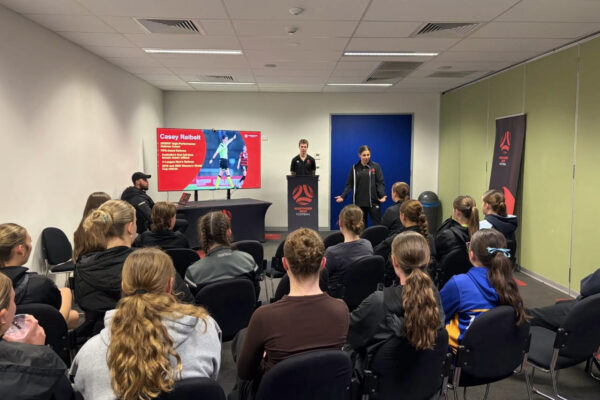


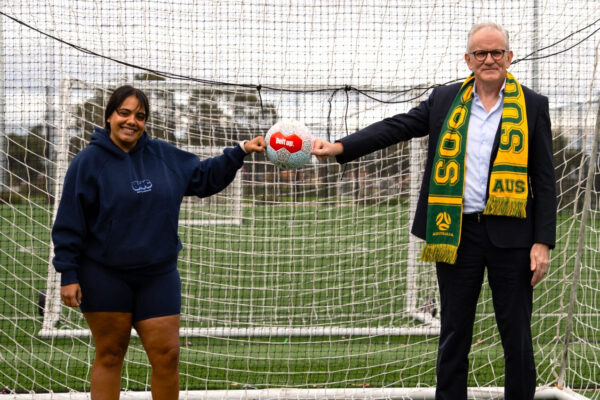


The PFA has recently released their 2024 annual Player Development Program (PDP) report highlighting their achievements in supporting players as they navigate their lives within the world of football.
In an interview with Soccerscene, Rita Mankowska, the PFA Head of Player Development, discusses the recent PDP report, coaching development, and much more.
What are the major feelings and thoughts about the recent report in the PFA?
Rita Mankowska: It’s always satisfying reflecting on what the program has achieved and how we have been able to support our members on a collective level, but also individually.
We now have over 1,000 members who can connect to the program, and everyone has different needs for our resources. So that’s a thousand different potential ways the PFA can support each individual, which keeps our team busy, but also gives us great satisfaction too.
The growth of the program is strategic as we’re always looking at new ways, we can enhance the PDP. But it is also a response to the increase in players seeking our services. So, our job is really to respond to and meet those demands, so that every player is supported. The players rated their satisfaction with the program at 97%, which is a good indication that we are meeting their needs.
How has the increase in membership impacted the PDP?
Rita Mankowska: The expansion in membership is due to two reasons: the re-inclusion of Central Coast Mariners in the A-League Women and the growth of our Past Players Program.
The program will increase again with the inclusion of Auckland FC, and we have recently appointed Kirsty Yallop as Auckland’s Player Development Manager to help support the players at the new A-League Men’s team for the forthcoming season.
An increase in membership ultimately results in a greater number of players accessing the Program’s resources, so we have had to ensure regular quality improvement initiatives to ensure the ongoing success of the program.
For the last five years we have added more support staff, we survey players frequently on the Programs they want us to invest in and means test programs to ensure that our core services are meeting the changing demands of our growing membership.
Do any of the results reflect a significant change in the footballing community and the PFA?
Rita Mankowska: A trend we are currently experiencing is the increase of Australian female footballers heading overseas for employment opportunities. All overseas players have a PFA Player Development Manager; however, this trend led us to form a partnership with Sporting Chance Clinic UK to bolster our existing Mental Health Referral Network and provide additional coverage for members based overseas. Through Sporting Chance, players based in a different time zone can access mental health support.
Tell us about the rise in mental health and well-being support in the PDP what does that tell you about your work and the current climate?
Rita Mankowska: We have experienced a significant increase in the number of confidential counselling sessions accessed by our members over the last five years. While it’s hard to pinpoint the exact reasons behind this trend, it’s likely down to several factors including the de-stigmatisation of mental health in society, general word of mouth between members and a high level of promotion of the service from PFA staff.
Despite the increase, numbers are still in keeping with national averages for those suffering from and seeking assistance for mental health support.
Coaching development and workshops have been important in this PFA. Why has the PFA focused on this and what positive results come from this work?
Rita Mankowska: Over the last two years we have worked closely with Football Australia’s coach education team to try to reduce the barriers of entry for current and past players to develop into coaches. Thankfully, our efforts have paid off as players have taken advantage of the reduced face-to-face contact hours in AFC Coaching courses, which recognise professional players’ prior knowledge of the game.
We had over 70 current and potential members registered across B and C Diploma courses and held a goalkeeper B Diploma in collaboration with Football Australia for the first time.
With players transitioning into professional coaching roles in growing numbers, we saw an important opportunity to facilitate and subsidise coaching licences.
With regards to skill development workshops, players welcomed the return of these following a hiatus during COVID, showing that face-to-face learning is still an important way to impart knowledge to our members.
How will these results in the recent PFA affect the future season and activity of the PFA?
Rita Mankowska: Moving forward, we will continue to strive to achieve our mission which is to support players with their careers, well-being and retirement via high-quality, evidence-based programs and services.
What are some of the goals the PFA are striving for now after the PDP report?
Rita Mankowska: We compile the annual PDP report for two core reasons; firstly, to ensure that we can demonstrate to the clubs and Football Australia the program’s impact, as the funding for the program comes via our collective agreements with the Leagues and governing body, and, secondly, so we can assess and refine the program. So, our immediate focus will be on assessing our programs and then enhancing them heading into a new A-Leagues season.
Rita Mankowska and the PFA’s hard work in this report identifies matters that hit home with footballers and showcases their drive to achieve more in the coming years, to the benefit of all.
To read more of the report, click here.