


The Queensland Election: the promises for the sporting community

Queenslanders will go to the voting booths on October 26th, as the political campaigns ramp up for the final weeks, below are the outlined sporting election promises from major parties.

A big issue for voters at this year’s election is the growing development for the 2032 Olympic and Paralympic games and the expensive ordeal that comes with hosting one of the world’s biggest sporting events.

Outlined below are the promises and plans made by the differing parties.

Queensland Labor Party

The Queensland Labor Party is focused on the 2022 Activate! Queensland Strategy Accelerated its 5-year plan to 2025 and has recently brought out several sporting grants for next year to assist Queenslanders in grassroots sport.

The Minor Infrastructure Fund utilises 45 million dollars to make local sports grounds safe, easily accessible and encourages more inclusivity in the sporting environment.

Fair play vouchers under the new premier Steven Miles have been revamped with vouchers being upgraded from $150 to $200 to deal with the cost-of-living crisis. The Number of vouchers has also been upgraded number from 50,000 to up to 200,000.

The Community and Recreational Assets Recovery and Resilience Program, assisted by the federal government is a 75-million-dollar project to help sporting facilities damaged by the natural disasters of 2021-22.

The Labor party made headlines when it was decided that it wouldn’t build new venues for the 2032 Olympics, however, they did invest to restructure current venues.

Liberal National Party of Queensland (LNP)

Recently the Liberal party leader at Pine Rivers Football Club committed to investing 3.8 million dollars to the local facility. This launched the party’s proposed sports program Games On!

Up to 250 million dollars dedicated to grassroots sporting clubs up to the 2032 Olympics. This funding will help deliver new or upgraded fields and courts, clubhouses, changerooms, or lighting.

David Crisafulli running state premier for the LNP has also said they will do a 100-day review on the infrastructure for the Olympic games and if there is a need for private and public funding for a new stadium for the Olympics.

The Queensland Greens

The Greens have been more vocal about sporting options announcing a $2.53 billion sporting package aimed at getting every young Queenslander into the game.

The Free Season pass plan will offer every Queenslander under 18 one free sporting program and a $150 equipment bonus costing $381 million on a four-year program.

Local sporting clubs are set to receive a major boost with $25,000 annual grants for registered clubs. The Greens are investing $50 million yearly to accommodate an expected surge of 110,000 new players.

Additionally, 200 million dollars will be dedicated to securing new sporting fields, with a strategic focus on flood-prone areas and high-growth suburbs facing space shortages.

Overall, all parties mentioned have delivered a range of plans to continue to support the sporting community in Queensland.

The Labor Party, as the current government is maintaining their original strategy from years past till 2025, more expansive plans will have to come later, though not expressing them leaves questions for their future endeavours.

The Liberals have announced their major funding but haven’t presented the promise with much detail to the public, it’s an exciting endeavour and if they win the majority in the coming election, the public will demand more understanding of how this funding will work out.

The Greens have outlined a comprehensive strategy to help sport but their position as a minor party puts them in a difficult place for gaining any power to deliver.

Elections at the state level focus on the big issues at heart and sport, especially football, has many times taken the backseat.

However, football, the state’s most participated sport, holds great importance in the local communities and their reliance on government funding does not go unnoticed by the general public.

With the Olympic games putting the spotlight on the state, will these parties keep their promises to promote Queensland sports and football? Time will tell.
Previous ArticleNext Article

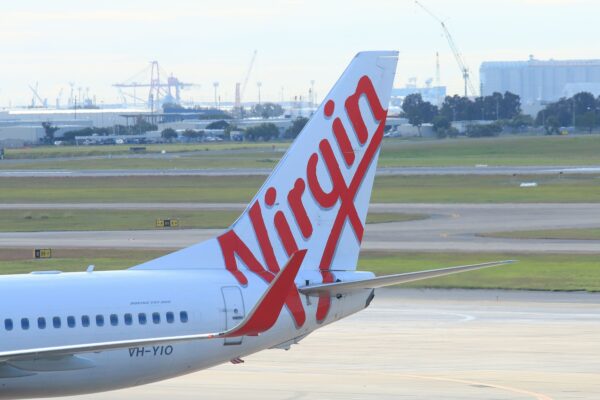
WA Government and Virgin Australia Partner to Bring Discounted Flights for Italian Football Series in Perth

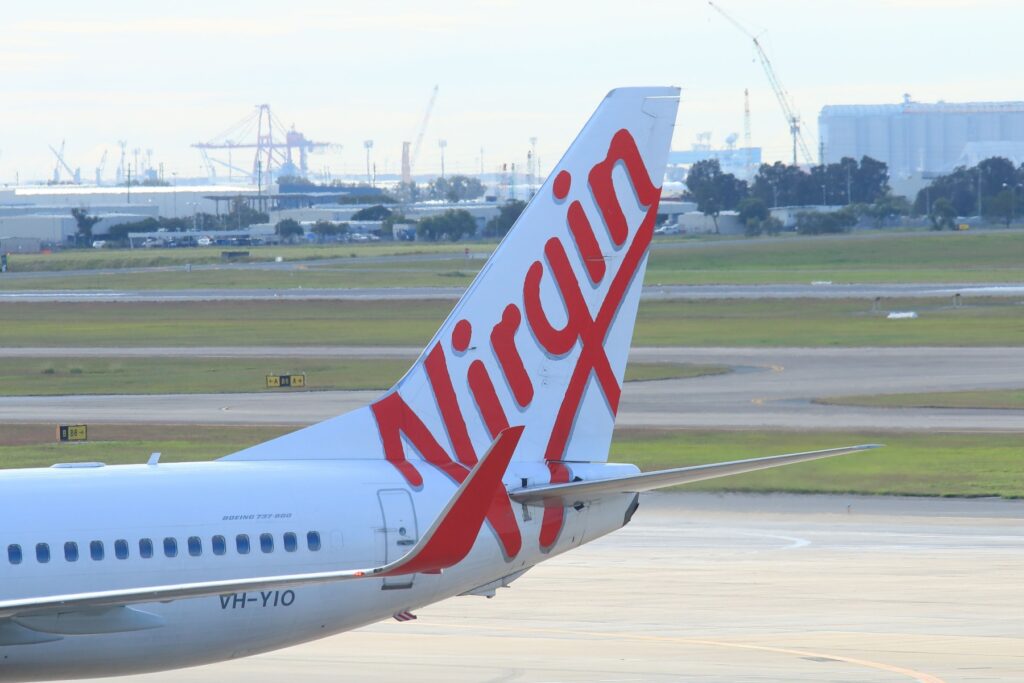
The Western Australian Government has partnered with Virgin Australia to offer discounted airfares to Perth ahead of a three-match series featuring AC Milan, Inter Milan, Juventus and Palermo, in a move that reflects how state governments are increasingly using major sporting fixtures as tools of tourism and economic strategy.

Subsidising travel costs rather than simply promoting the matches signals a shift in how state governments are approaching major sporting events. WA Tourism Minister Reece Whitby positioned the series within the state’s broader Winter of Unmissable Sport strategy, framing the partnership as a way to fill hotels, support local businesses and generate visible economic activity across a single week of programming. That logic places football alongside other major events states have used to justify public investment in visitor attraction, where the return is measured in tourism spend rather than ticket revenue alone.

A bet on Australia’s appetite for European football

Touring Italian clubs is not a routine occurrence in Australia, and Sport and Recreation Minister Rita Saffioti’s comments point to an underlying assumption behind the investment: that the existing fan base for European football in Australia is substantial enough to justify a state government underwriting travel costs to fill a stadium on the other side of the country.

Australian audiences for international football have grown considerably over the past decade, driven by streaming access, diaspora communities and the rising visibility of leagues once difficult to follow locally. State governments positioning themselves to capture economic value from that growth, rather than leaving it to broadcasters and travel operators, marks a change in how football’s commercial footprint in Australia is being treated by policymakers.

It also raises a question likely to recur as more international club fixtures are scheduled in Australian cities: whether public subsidy for travel around marquee football events delivers economic value beyond the host city, or whether the benefit is concentrated narrowly within the host state’s tourism and hospitality sectors. Virgin Australia’s involvement reflects the commercial logic on the airline side, with the partnership forming part of a broader push to connect Australians with major domestic and international destinations.

For the domestic football industry, the series is a reminder that international club football is competing for the same audience attention as the A-Leagues and grassroots competitions. Whether that competition proves complementary or extractive, in terms of where football-related spending in Australia ultimately lands, is a question state and national football bodies are likely to watch closely as similar fixtures become more frequent.

Build a home, create a culture: How do we secure the Socceroos as global competitors?

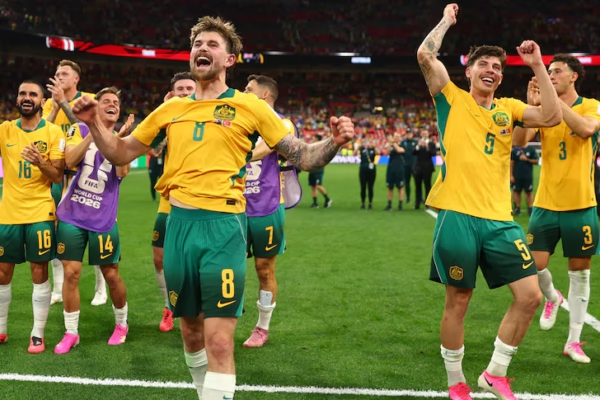
The Socceroos kicked off their World Cup campaign with a convincing 2-0 win over Turkey. It was an important win for their tournament ambitions, but also a statement about their quality on the world stage. It is time that we built a facility to ensure this quality is nurtured, not stifled.

Otherwise, we risk falling behind.


One of four…

Australia’s Men’s National Team currently sits as the 23rd-ranked team in the world in the official FIFA rankings. The Matildas, meanwhile, are the 15th highest-ranked women’s team.

This year is also the sixth consecutive FIFA Men’s World Cup featuring the Socceroos, confirming their position as a regular competitor in the most prestigious tournament in world football.

So why is it, despite these undeniably positive reflections of Australia’s growth in international football, that the Socceroos are still homeless?

At the 2022 FIFA Men’s World Cup in Qatar, Australia was one of four competing teams (a list featuring Denmark, Poland and Senegal) without a national base. In 2024, former Socceroos coach Graham Arnold described the team as “homeless” ahead of the World Cup qualifiers.

But four years on from the tournament’s last edition, the situations remains the same. And the world is taking notice.


A letter to the PM

In April this year, FIFA reportedly wrote to Australian Prime Minister, Anthony Albanese, encouraging the construction of a permanent home for football in the country.

The letter reflects concerns within the governing body that Australia, despite being so present in international football throughout the past 25 years, may fall behind the rest of the pack.

When we look at the talent in the current squad, Australia is by no means an emerging football economy. But commercial and infrastructural limitations in the landscape mean this talent is under-appreciated.

Nevertheless, it is a nation which regularly proves it can compete – and win – on the biggest stage. This we saw only a few days ago.

Which is why the players, coaches and staff representing the nation deserve a permanent facility which reflects, nurtures and inspires talent and competition. The survival of the landscape depends on it.


The investment question

Investment into football – from grassroots to professional levels – continues to be at the crux of national debate on how to secure football’s future in Australia.

In a conversation between Soccerscene and Melbourne-based community club, Sunbury United FC, infrastructure and facility-sharing challenges emphasised common grievances for many grassroots clubs.

The issue, therefore, is spread across the nation’s football pyramid. And prompts an uncomfortable question about future investments:

If even the Socceroos continue to share their current base, Leichhardt Oval, with various teams across rugby league and soccer, how can we ever expect clubs further down the pyramid to avoid similar fates?

The past few years, however, have fortunately seen improved investment into the women’s game in Australia – particularly embodied by the ‘Home of the Matildas’.

The result of a $101.1 million investment by the Victorian Government in collaboration with La Trobe University and the Federal Government, the facility boasts elite training features including premium FIFA-standard pitches, multiple changing rooms, a high-performance gym, a sports science lab and more.

This was a welcome and vital boost ahead of the 2023 FIFA Women’s World Cup which took place in Australia. Now, ever-increasing participation and pride are synonymous with women’s football, and the numbers confirm it.

In 2023, women and girls represented 190,746 participants across social, outdoor, fustal and registered football. In 2025, this increased to 231,435. It proves that, with the arrival of purposeful investment at the top, comes the spread of a football culture across the nation.


Aligning practical and cultural benefits

But what would a potential facility for the Socceroos actually look like? And what are the benefits?

When considering similar projects, we can look to both Japan and England as distinct examples of how a national base for football can unite practical, social and cultural benefits.

St George’s Park – England

Built in 2012, England’s base at St George’s Park is a masterclass in using facilities to establish a centre for industry cohesion and community impact.

As a centre of excellence, St George’s Park holds 14 outdoor pitches, a fustal arena, and hosts coaching and medical courses. It welcomes 28 teams across men’s, women’s, youth and para football, representing a place of unity and alignment for the entire football community.

Furthermore, the ‘Play Like the Pride’ program offers grassroots participants and school students the chance to experience the elite facilities for a day, showing how facilities can serve to connect young players to the world of their professional idols and foster real passion for the game.

JFA J-Village – Japan

The J-Village – beyond being a state-of-the-art football training centre – shows why a home for football can positively impact the community.

After being used as a support base for the nuclear power plant accident following the 2011 Great East Japan Earthquake, the venue now holds a deeply important place in the memory of Fukishima. As a result, upon resuming full operations in 2019, the facility – and the football development within it – represented a sense of perseverance, reconstruction and unity.

And through hotels and public transportation links, the J-Village also welcomes tourists and business travellers, encouraging more people to step into the world of football in Japan.

One venue, therefore, can give rise to an essential part of a thriving football landscape: culture. A culture for participation, community outreach, and elite development.


Final thoughts

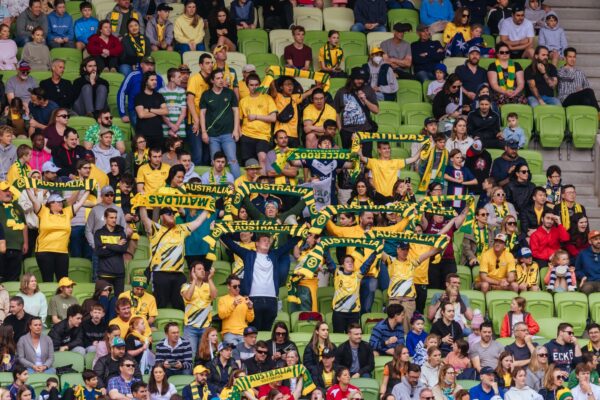
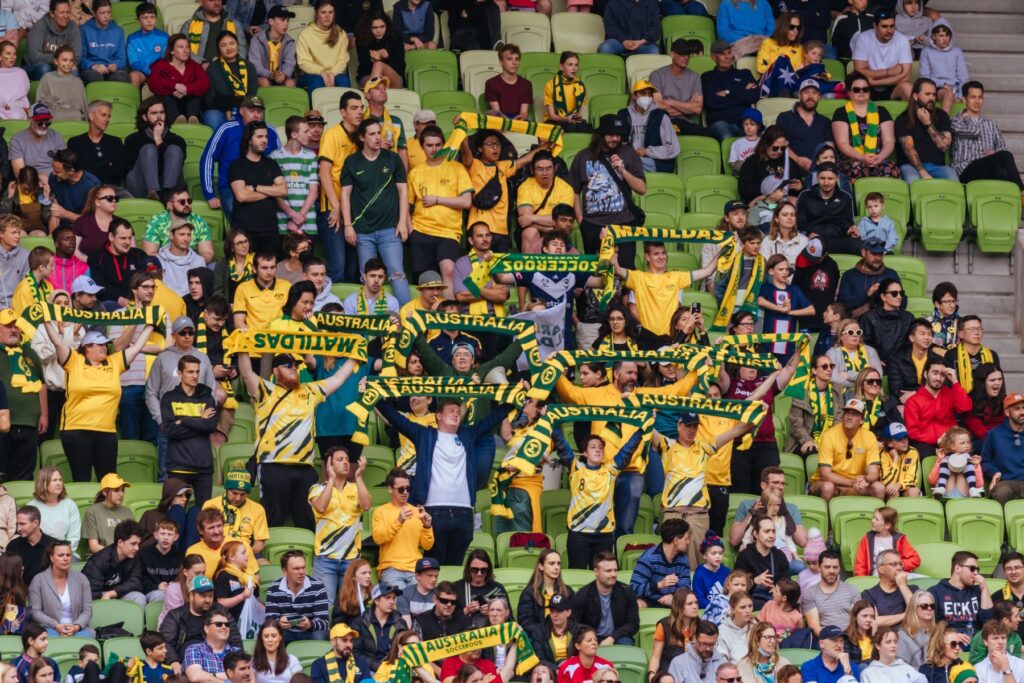
The focus of the summer will no doubt be how the Socceroos perform on the pitch. And with homes, offices, and public spaces brimming with enthusiastic support, the sense of national pride is irresistible.

But for all the positive sentiment currently taking hold of the nation, there will come a time when Australia’s World Cup run is over, at which point an all-important question must be asked:

How do we move forward?

We move forward by transforming buzz into an aligned vision, commitment to nurturing talent, and a desire to establish a real footballing culture across the nation.

The first step to building this culture? Building a home from which it can thrive.

Most Popular Topics

Editor Picks

Send this to a friend