
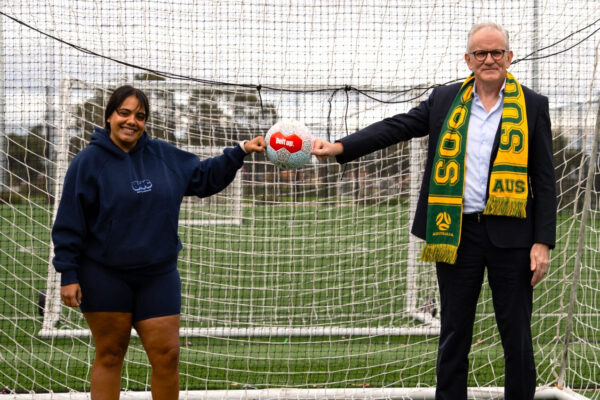
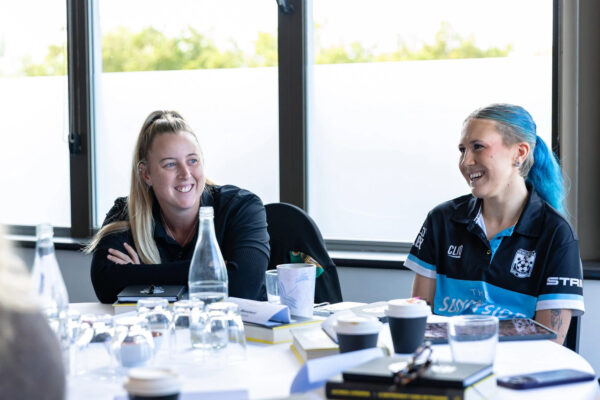


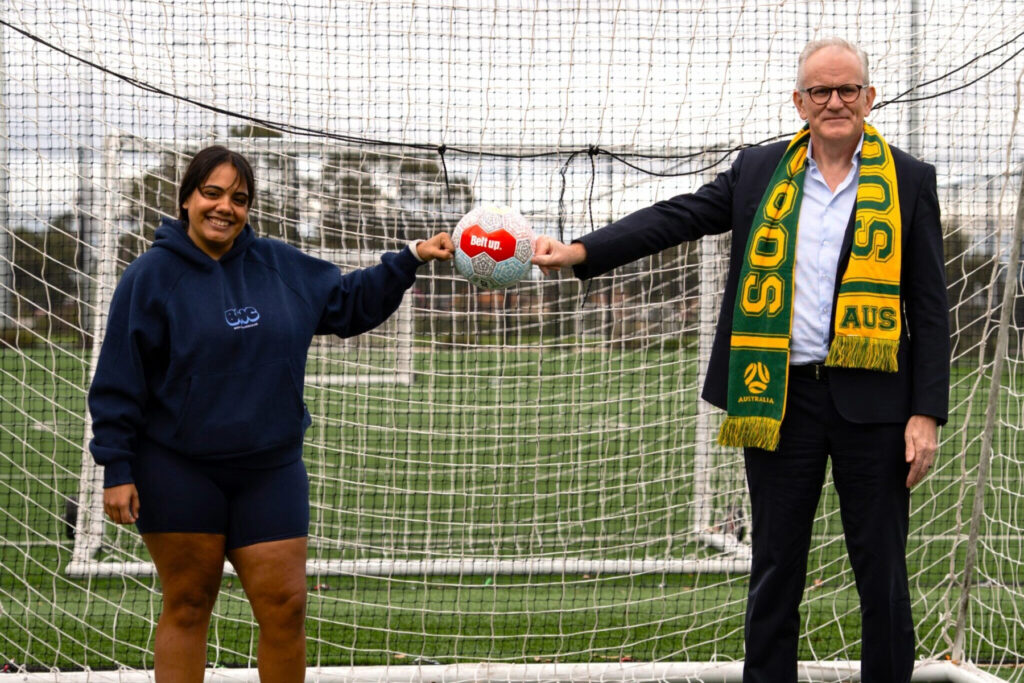
Preston Lions FC Promote Sponsor Branding Space

Preston Lions Football Club have begun advertising available branding space for new, interested corporate sponsors during the Australian Championship season.

The club is encouraging companies to become new club sponsors by incentivising branding exposure when Australian Championship matches are played on Preston grounds, with three days until the season starts.

The exclusive opportunities being promoted include media wall TV exposure, Top of Pavillion signage, signage on the Hill Marquees, Pavillion Bar Naming Rights, and flag signage behind the goal.

Quoted in the post, the club stated SBS Sport has 1.6 million followers on their socials in addition to the 12.4 million registered users for SBS On Demand.

Besides branding on kits, corporate promotions for club members and fans, and other engagement, sponsor advertising shown on television provides free promotion of the business to a larger audience.

However, comparing the local and Victoria-wide businesses as well as the Hon. Nathan Lambert MP, the exact amount of publicity and further new and returning customers varies.

Furthermore, already existing sponsors who do not have their branding viable to the cameras will miss out on the coverage.

Preston Lions FC are also advertising for any interested sponsors to aid the club for the next season.

The club will be playing against NWS Spirit at Genis Steel Stadium on the 11th of October, in the first match of the Australian Championship.

SBS is the Home for the Australian Championship

Last month, Australian Championship and the Special Broadcasting Service announced their partnership to broadcast all Australian Championship season matches for two years, which brings free-to-air sports programs back on Australian television.

SBS Sport Director, Ken Shipp promoted SBS’ identity which aligns with football.

“As the spiritual home of football in Australia, SBS is the natural home for the Australian Championship, an aspirational competition that will create a pathway for many of Australia’s brightest young players from the sport’s grassroots to the highest-level competition in the land, the Isuzu UTE A-League Men’s competition,” he said via press release.

“SBS’s football offering now includes compelling competitions at every level and for every fan – including, of course, the FIFA World Cup 2026.”

The news of the Australian Championship and SBS deal has given anti-siphoning law voices another reason why sports should be available for all to watch.

In June this year, research published by Free TV Australia stated 67 per cent of Australians support protecting free-to-air sports broadcasting.

Free TV CEO, Bridget Fair stated the research showed most Australians are watching TV through the internet and will only increase as more people are ditching their aerials, as well as new homes aren’t built with them anymore.

“New anti-siphoning laws must be updated to reflect this reality otherwise millions will be forced to buy expensive streaming subscriptions during a cost of living crisis or miss out altogether on the great sporting events that bind our nation together,” she said via press release.

Anti-siphoning laws regulates media companies’ access to significant sporting events, including how much of a sport’s season must be shown on free-to-air channels.
Previous ArticleNext Article

Manchester City open new training centre for Women’s First Team

The training centre opened earlier this week, following years of planning, investment and ambition for Manchester City Women.

State-of-the-art facilities

Recently crowned WSL Champions, Manchester City Women will now be able to train, prepare and recover in a truly special, purpose-built facility.

Covering 17,000 square feet, a world-class gym, strength & conditioning facilities and dressing room, the site will help players  to maximise performances on the pitch.

But given the facilities also received input from players and staff, inspiring added touches like social spaces and recognition for players with over 100 appearances, it is clear that this is a deeply personal project for all involved at Manchester City Women.

As Managing Director of Manchester City Women, Charlotte O’Neill, highlighted, the training centre is a symbol of excellence and ambition.

“This building is about so much more than bricks and mortar,” O’Neill said via press release.

“It is about creating an environment here our players can thrive, where standards are set at the very highest level and where the current squad has everything it needs to continue to compete for and win silverware.”

A winning project, for a winning team. The training centre is sure to propel Manchester City Women to even greater heights in the seasons to come.


Continuing investment trends

Furthermore, as the result of an AUD 18.6 million (GBP 10 million) investment and purpose-built for Manchester City Women, it is yet another example of the current strength of WSL investment.

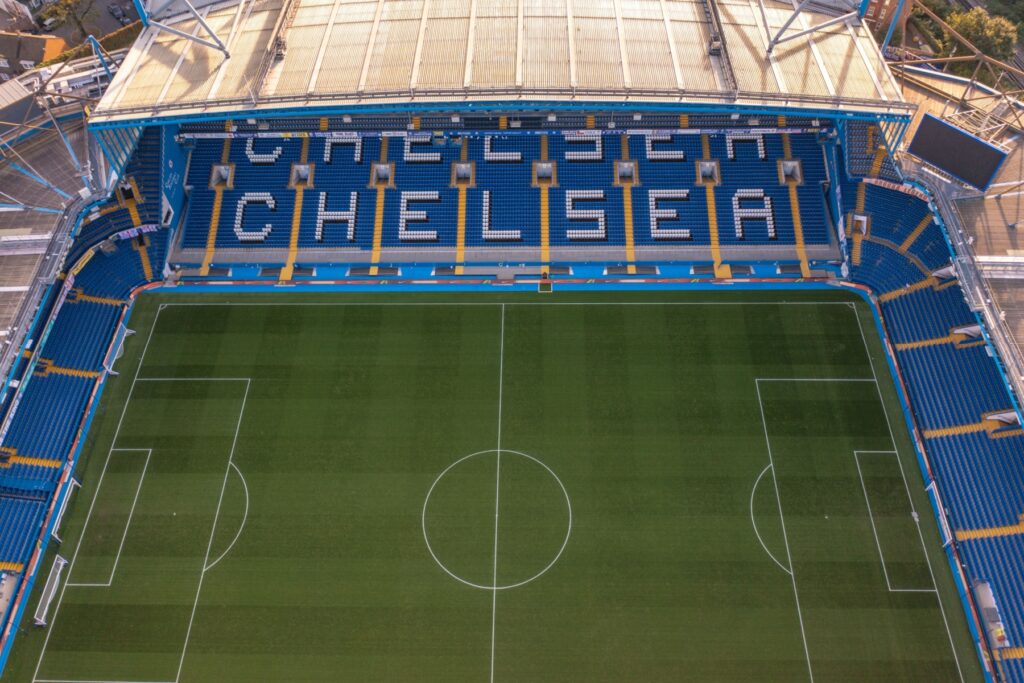
Just a few weeks ago, Brighton & Hove Albion unveiled plans to construct a new venue for its women’s team, delivering on a clear intention to support commercial growth and infrastructure in the women’s game.

But even after winning their first WSL title this season, the message from the board is clear: Manchester City Women are a fundamental part of the club’s long-term vision.

“This new facility marks the next logical step in our long-term commitment to Manchester City Women, and is an important milestone for the club as a whole,” said Chairman Khaldoon Al Mubarak.

“We have always believed in investing to create the right environment for players and staff to develop and succeed. That approach has underpinned every aspect of our work since the professional relaunch of Manchester City Women in 2014.”

What does the Federal Budget mean for the Future of Football?

While Canberra spent Budget night arguing about negative gearing, capital gains tax and the politics of broken promises, Australian football was left reading between the lines.

Since ‘Sport’ falls under the jurisdiction of the State level, there was no headline “football package” in Treasurer Jim Chalmers’ 2026–27 Federal Budget, but the Federal budget marks a significant shift in the nation’s economic directive. No billion-dollar infrastructure splash for the world game. No new national facilities program. But for football clubs, players and families, the Budget may still shape the sport more than many realise.

From housing affordability to NDIS reform, fuel prices and women’s participation, football’s ecosystem sits directly in the path of the Government’s economic agenda.

The dominant story of the Budget has been Labor’s overhaul of negative gearing and capital gains tax concessions: reforms that immediately triggered political backlash and dominated national coverage.

Yet beneath the noise, football communities are likely asking a simpler question: what does all this mean for the people who actually play the game?

The answer starts with cost-of-living pressure.

The Budget forecasts inflation hitting five per cent in 2026, largely driven by global fuel shocks linked to conflict in the Middle East. Fuel prices matter enormously to grassroots football, particularly in suburban and regional Australia where families often drive multiple nights a week for training and matches.

The Government’s temporary fuel excise cut which reduced petrol prices by roughly 32 cents per litre may offer short-term relief for clubs travelling long distances and parents already struggling with registration fees.

But the broader economic outlook remains difficult. Slower growth, persistent inflation and rising household pressure could threaten participation rates, especially among lower-income families.

Football Australia and state federations have spent years warning that the game’s biggest barrier is affordability. Boots, rego fees, transport and facility access continue to price players out. A tougher economy only sharpens that problem.

Housing reform may indirectly affect the football workforce too.

The Government argues its negative gearing changes are designed to help younger Australians into home ownership, with Treasury estimating an additional 75,000 first-home buyers over a decade.

That matters in football because the sport’s backbone like coaches, referees, volunteers and young families, is overwhelmingly younger and suburban. If housing affordability improves even marginally, it could stabilise participation in growth corridors where football demand already outstrips infrastructure.

But there are also risks. Critics argue the reforms could reduce investment and tighten rental supply. For many semi-professional players, academy coaches and casual sports workers already locked out of ownership, rising rents would further squeeze disposable income available for sport.

The outlook for differently-abled football

The Budget’s NDIS savings measures may prove even more consequential for football.

The Government says it is “returning the NDIS to its original intent” as part of $63.8 billion in savings and reprioritisations. Disability advocates have already raised concerns about access and participation impacts across community activities.

That includes sport.

Across Australia, football programs have increasingly become entry points for social inclusion and disability participation, from all-abilities leagues to multicultural community initiatives. Any tightening of disability support funding risks flowing directly into reduced participation opportunities for players requiring support workers, transport assistance or specialised programs.

There were, however, some quieter positives for the game.

The Budget continues significant investment into women’s economic participation, childcare and workplace reform. That matters for football at a time when women’s and girls’ participation is booming following the legacy of the 2023 FIFA Women’s World Cup.

Expanded childcare access, stronger paid parental leave and support for women in the workforce may all help sustain female coaching, volunteering and administration pathways that football has historically struggled to retain.

Still, the clearest takeaway for football may be what the Budget did not contain.

Despite football being Australia’s largest participation sport, there was little direct mention of community football infrastructure or long-term sporting investment beyond broader transport and productivity measures.

For a sport preparing for the AFC Women’s Asian Cup 2026 and pushing for future global tournaments, that silence was notable.

Everyone else may be talking about negative gearing. In football circles, the bigger concern is whether families can still afford Saturday mornings at all.

Most Popular Topics

Editor Picks

Send this to a friend