



As the AFC Women’s Asian Cup 2026 approaches its March 1 kick-off, the messaging around the tournament has centred on equity and access. The recent stop of the tournament’s “Trophy Road Trip” at Thomas Hassall Anglican College is a good example of football’s changing place in the Australian sporting and cultural landscape, particularly when it comes to equity of opportunity for girls and women.
Grounding Equity: The Trophy Road Trip and the Politics of Access
Thirty representative girls from Years 3-6 at the College were given the kind of access that, two decades ago, would have been unthinkable. They enjoyed face time and photos with the actual Asian Cup trophy, an interactive football session, and tangible recognition through official merchandise and giveaways.
The presence of the trophy and the inclusion of grassroots participants in the build-up to a top-tier women’s tournament shows just how rapidly the politics of sport and inclusion are shifting. Football NSW Sporting Schools Program Manager Tunahan Guner highlighted this, stating, “With Sydney as a host city for the AFC Women’s Asian Cup, it shines a real spotlight on the quality, growth and direction of football in our region. From grassroots participation programs right through to our elite pathways, the impact is significant- and even better knowing the football community will be right at the centre of it.”
What’s key here is infrastructure for opportunity. The political implication is clear: by physically bringing elite women’s football into community and school spaces, the organisers and sponsors are putting equity, particularly for girls, at the front and centre.
Being part of the Trophy Road Trip means these students see themselves reflected in the biggest sporting conversations in the country.
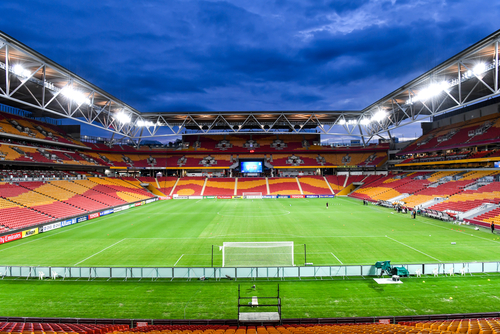
With Western Sydney Stadium and Stadium Australia set to host 11 AFC Women’s Asian Cup matches, the political move is also to anchor football as a tool for community engagement, identity, and upward mobility. It’s more than just inspiring participants. It’s about signalling to policymakers that visibility, targeted outreach, and access to top-tier experiences are now essential expectations in the modern sporting landscape.
For stakeholders, coaches, and administrators watching this space, the lesson is clear: the road to genuine equity in Australian football doesn’t just lead to a stadium; it must pass through schools, local councils, and community programs that give power and profile to the next generation. The Trophy Road Trip quietly but powerfully demonstrates what it looks like when equity is embedded not just in rhetoric, but in real, lived opportunity.