

In a game of inches, Raw Stadia can be the difference

Raw Stadia

Raw Stadia is revolutionising the interaction between players and the pitch. The sports technology company – that focuses on surface–player interactions – uses data and analytics to track and measure the playing surface’s condition.

96 per cent of managers and coaches believe that the playing surface influences athletes’ performance and welfare, but there is no technology tracking it. Raw Stadia has entered the conversation. With some eye-watering team valuations in world football, the question could be asked, why isn’t surface technology being used more? According to business insider Forbes, Premier League champions Manchester City had a team value of 4.25 billion dollars (£3.4B). With clubs spending incredible sums of money on players, Raw Stadia has produced the technology to help protect their player investments by measuring the player’s interaction with the surface, and how the quality of the surface fairs before, during and after matches.

Raw Stadia technology operates with user-friendly testing tools being set up on the playing surface to measure key pitch metrics. The testing hardware analyses and collects relevant agronomical data, and sends it to their platform which can be accessed on a computer or mobile device. The weather station tool allows club groundskeepers to track the microclimate inside the stadium and make decisions on its maintenance through data-driven pitch management.  Raw Stadia technology  can analyse pitch density, electrical conductivity, moisture, PH and infiltration. If you want to go more in-depth, grass height, root depth and and how the pitch is absorbing nutrients are all available to analyse.

Players can also benefit from having the innovation made available to them. The pitch can have a key impact on player performance. Raw Stadia technology can measure and monitor the surface conditions and how players are interacting with the playing surface. The Raw artificial athlete tool paired with the Raw rotational traction tester, allows clubs to keep track of all important metrics and gain a clear understanding of how players interact with the surface. Data can be collected from multiple playing surfaces, such as training grounds and the match day ground, and used to determine the best playing surface based on your training needs. Feedback is provided and reported to the Raw Stadia platform from training drills and matches, and the analytics can help players and medical staff make decisions on the management of players.

The advanced technology may sound overwhelming at first, but it is backed by a team of experts specialising in Grounds Management. The Raw Stadia team is led by award-winning Grounds Manager, Reece Watson, who has over 15 years of experience in the management of playing surfaces. Watson is no stranger to the big stage having worked for Premier League club Arsenal. He managed the playing surface in London on his way to founding Raw Stadia alongside co-founder, Jan Stryckers.

Clubs that introduce the technology can expect support from the Raw Stadia team. Experts will come on-site to provide hands on training and advice on how to use the tools and platform. If clubs decide to pursue the technology, they will have access to remote support where they will be guided on how to analyse recorded data. Currently, the renowned technology is used by some of the biggest football clubs in the world – Liverpool, Tottenham and Leicester City to name a few.

In professional sports, the margin for error is slim, and the difference between losing and winning can come down to an inch. Raw Stadia could be that decisive inch. All in all, clubs will expect to see improvements in their surface quality and player performance. The platform, tools, and support provided by Raw Stadia optimise both the pitch and player performances. Football clubs pay an extravagant amount of money to build their teams each year. Raw Stadia is protection on that investment. By reducing the risk of injury whilst optimising performance, Raw Stadia is already establishing itself in professional football. It seems it is not a matter of if, but when we will see them as a more permanent staple in professional sports.

Previous ArticleNext Article

GIS Launches Sydney Campus and Welcomes 2026 Student Cohort

Students gain access to elite sporting venues and industry leaders as teaching begins across Sydney’s premier sports precinct.

The Global Institute of Sport (GIS) has officially commenced teaching at its new Sydney campus, welcoming its 2026 student intake following a successful opening week.

The new campus offers students the opportunity to undertake a range of specialised postgraduate programs. These include a Master of International Sports Business and a Master of Sports Analytics. A Combined Master program is also available, designed for students seeking a comprehensive, cross-disciplinary understanding of the global sports industry.

Teaching will be delivered across some of Australia’s most recognised sporting and educational facilities, including Allianz Stadium, the Sydney Cricket Ground (SCG), and the University of Newcastle’s Sydney Campus. The multi-venue learning environment provides students with direct exposure to world-class sporting infrastructure and industry networks.

Students were introduced to the Australian sports industry on their first day through a panel featuring leading professionals. These included, Courtney Pascoe (Competitions and Officials Manager), Matt Pound (General Manager), Thomas Beauchamp (Commercial Partnerships Executive), and Jess Bridger (Account Manager).


National recognition

The Sydney campus launch follows the recent GIS Global Sports Summit Australia, which saw students engage with industry stakeholders across both Sydney and Melbourne. The event featured guest speakers from organisations including La Liga and the Rugby World Cup, providing students with valuable networking opportunities and industry insight.

GIS President Sharona Friedman highlighted Sydney’s unique sporting culture and its alignment with the institute’s learning approach.

“Sydney places sport right at its heart. Being based at Allianz Stadium and connected to the SCG places students within a precinct that hosts multiple elite sporting codes. It’s a city where sport is deeply embedded in everyday life,” Friedman said.

Friedman also emphasised Sydney’s broader appeal for students, describing it as a global city offering a strong balance between sporting opportunities, cultural experiences, and lifestyle.

Prospective students interested in studying in Sydney can explore GIS program offerings and student resources via the institute’s official channels.

Creativity, wellbeing and benchmarking: Football NSW launches 2026 Girls Youth League season

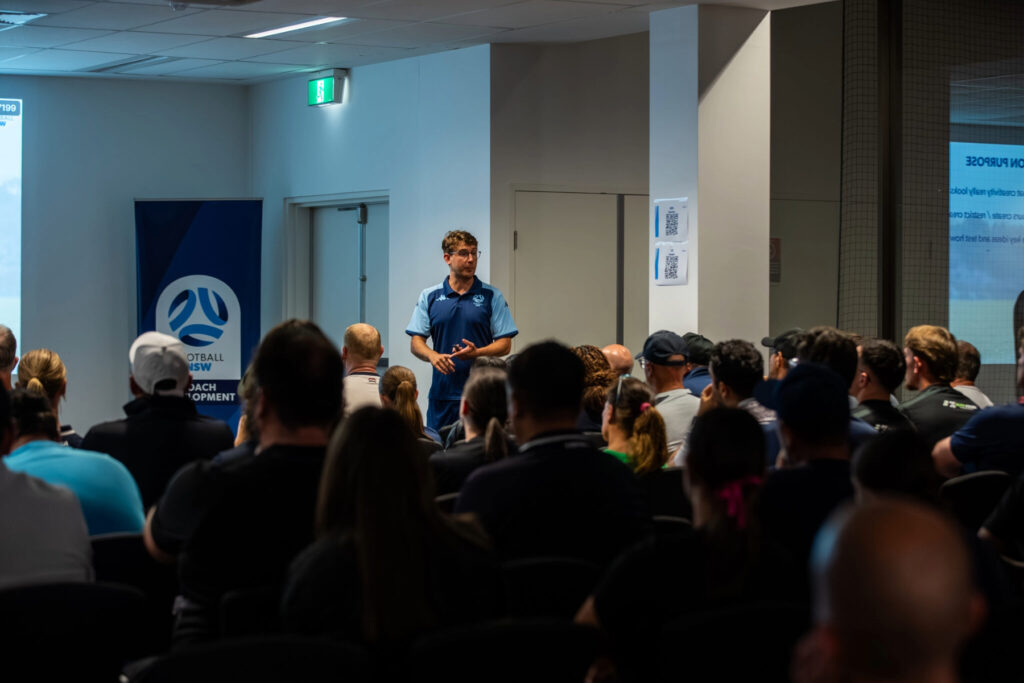
Over 200 technical directors and coaches descended on Valentine Sports Park this weekend to launch the 2026 Girls Youth League (GYL) and Girls Junior Development League (GJDL) season.

Two core themes dominated the conference: cultivating player creativity and integrating structured wellbeing programs.

Football Australia National Team Coaches Mike Cooper and Alex Epakis led the technical delivery. The duo ran practical sessions focused on intervention methods and decision-making. Their presence ensures the state league speaks the same tactical language as the national pathways.

Benchmarking the Future

The operational spotlight fell on the Club Standards & Benchmarking Framework. Now entering its third year, the policy carries significant weight. Football NSW briefed clubs on how 2026 performance metrics will directly dictate competition structures for 2027.

Football NSW Club Technical Development Manager Neil Mann emphasised the shift away from pure results-based assessment.

“The success of a youth development program should not be determined solely by league outcomes,” Mann said.

“It provides guiding principles to help clubs create positive environments… while allowing clubs to retain their own identity.”

Person First, Player Second

Wellbeing professional Holly Fuda delivered the keynote address. She challenged directors to embed mental health strategies into daily training, rather than treating them as tokenistic add-ons.

Football NSW Head of Football Development Ed Ferguson reinforced this cultural shift.

“The curiosity and contribution across both days is testament to our ecosystem,” Ferguson said.

“Every club in attendance highlighted their responsibility to develop better individuals through football. That puts us in a strong position to create environments built on trust.”

Most Popular Topics

Editor Picks

Send this to a friend