

Norwich City FC – The Canaries continue to fly off the field

Norwich City currently sit at the bottom of the English Premier League table after winning only three games this season. Whilst their team hasn’t particularly impressed on the park in the world’s most popular league, a change in ideas off-the park well over a year ago is being associated with their rise back to the top division of English Football.

Adopting a shared leadership management structure, three people were left in charge of making decisions at the top table. Chief Operating Officer Ben Kensell believes this type of approach has encouraged innovation throughout the club when it came to dealing with the industry, the fans, the community and its staff.

“There is Stuart Webber, who deals with the footballing side, myself handling the non-football sides of the business, such as all commercial areas, finance, operations and Zoe Ward who is very much the glue in between the two areas driving behaviours and culture on both sites whilst managing support services such as Legal, HR and our fantastic community work,” he told FC Business.

“We are all experts in our fields but we communicate and run the business as a three and as a collective and that means you can be across everything and we can focus key objectives across all areas to really drive results and what’s best for the club as a whole.”

Owners Delia Smith and Michael Wynn-Jones are adamant the club must look after itself financially, which brings about an element of self-pride according to Kensell.

“We are immensely proud to be a self-financed club, as are our fans,” he claimed.

“Delia & Michael lead by example and they are brilliant owners of this great club, we do it our way and we want to be the best we can be in everything we do. Being self-financed certainly sharpens your focus. We know how much responsibility we have to get it right and that means we take responsibility for every bit of the detail because your margins for error are very small. Our attention to detail for each other’s business needs comes from the knowledge we have little wiggle room and we have to get things right. Across all areas of the club we look for continuous improvement and from top down we are all hungry and committed to be the best we can be for Norwich City and its fans.”

But the structure seems to be providing the club with several commercial benefits, aside from the clear achievement of reaching the English Premier League.

“Our commercial revenue in partnerships has doubled. Our club-controlled income of £33 million plus has grown and we have seen good growth in retail and memberships after overhauling previous structures and we are sold out home and away for the majority of our games thanks to the phenomenal support of the fans. We are maximising every opportunity we have to work in an innovative way with partners and its certainly paying off.

“We have made a seven-figure investment in our new training facility and secured a lucrative long-term sponsorship with Lotus cars taking the naming rights of the training centre and academy. That’s on top of money that the Norwich City fans themselves have invested through the Canary bond, which we facilitated.

“We have improved fan experiences around the ground and in the city centre with our new Fan Hub. And in all that time we have worked to make sure Stuart [Webber] and Daniel [Farke] have the budget they need and the player development structure they desire to take this club forward on the pitch.”

Whilst various changes have been made it is still extremely important to communicate efficiently with fans, to get them back onside. This was a core focus for Ben, Zoe and Stuart once the executive committee was created at Norwich.

“We have firm short, medium and long-term plans in place whatever happens on the pitch. We are in a financially sound position but just as important is that our fans and everyone in our community understand the decisions we are making and buy into it.

“That’s why we work hard on our fan engagement and broader communication. We try to involve the fans through clear and concise communication in every stage of our thinking about the future of this club, we want them to feel very much part of the plan and proud of doing it the Norwich City way. Sometimes people are not going to like what we plan to do, but we make sure they understand our reasons for that.”

Ben adds: “You rarely hear a Norwich fan call for us to get the cheque book out to make a big-money signing. That’s because they have bought into our sustainable plan of being self-financed. They know through previous experiences that breaking the bank can lead to tough times for the club they love and equally, they know from what we tell them we are not willing to play that lottery again, either. We are investing in the stadium and training ground because then we will have something to show for the monies the Premier League brings but we know it’s a balance in everything we do as we want to remain competitive.

“They also know we are spending money on the club infrastructure, whether that be improvements at Carrow Road or on fan engagement zones – it is clear what we are doing.”

As the Premier League does attract a global audience, Norwich have profited through deals with the Tampa Bay tourism board and Philippines-based Dafabet. However, the club promises to stick to their roots and do things the Norwich way.

“We have to build our commercial expansion plans carefully to ensure we stay true to our club values and ways of doing things. We are making a name for ourselves by doing things differently, we are growing and have impressive numbers to show from a club-controlled income perspective compared to our peer group clubs, but we can, and will, continue to grow whilst never losing sight of our doing it our way.”

A new Canaries Fan Hub in the centre of the city has recently opened, with fellow English Premier League sides interested in the development. Kensell is extremely satisfied with the progress of it so far as it promotes the club’s identity further, as well as being commercially rewarding.

“It’s been a massive success and a real game changer for us; you can purchase everything there from retail to tickets to special events. It’s a true one stop shop but more importantly is that it has loads of fans and kids just coming in and playing on our penalty shoot-out simulator or going on the iPads or taking part in some of the cool experiences within the Hub.

“People come in to just watch the exclusive content whether it be interviews, highlights of the game, training across our giant screen or playing on the PlayStations. We have seen turnover rocket since it was launched in August and I am delighted with the performance of it in every aspect.”

With room for growth and plans to expand Carrow Road on the agenda, Norwich City FC are in a good place to continue to thrive.
Previous ArticleNext Article

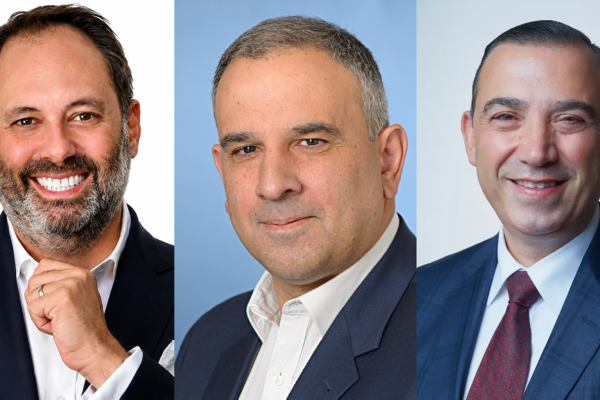
South Melbourne Hellas Strengthens Its Future with Three Key Board Appointments

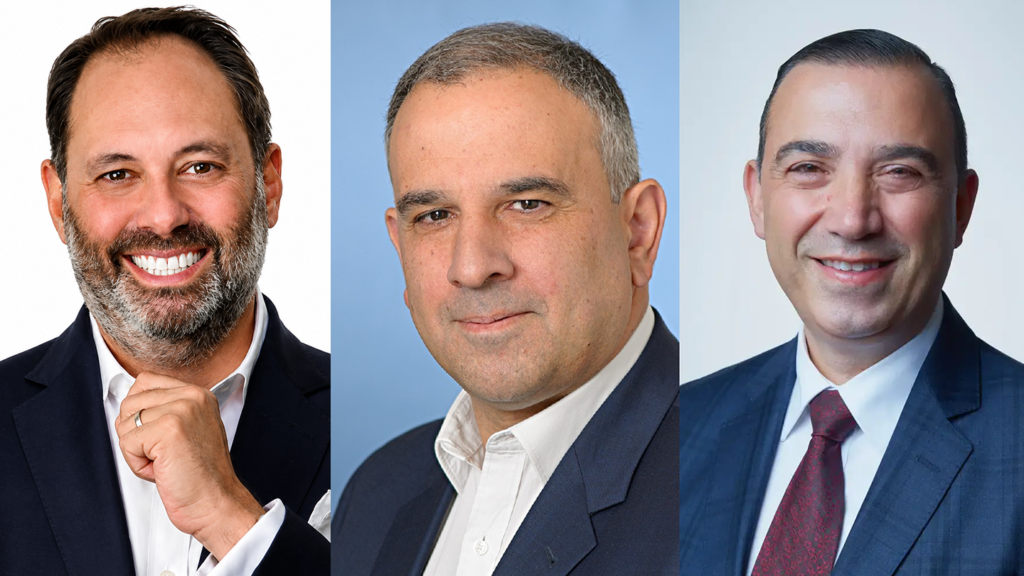
South Melbourne Hellas has taken another significant step in shaping its future, announcing the appointment of three highly accomplished professionals to its Board of Directors as the club continues to strengthen its leadership both on and off the field.

The Hon. Philip Dalidakis, John Karantzis and Associate Professor Marinis Pirpiris join the club at an important stage, bringing expertise across government, law, healthcare and corporate governance as South Melbourne continues to pursue its long-term ambitions.

Few football clubs in Australia can match South Melbourne’s proud history, but the club’s focus is firmly on the future. The latest appointments reflect a deliberate commitment to building a Board with the experience and strategic capability required to support sustained growth and success.

Dalidakis brings extensive experience across government, business and public policy. A former Victorian Cabinet Minister and C-suite executive, he is the Managing Partner of Orizontas and currently represents Australia on the APEC Business Advisory Council. He also holds board positions across the life sciences, defence and social impact sectors, and has chaired audit and risk committees across a range of organisations.

Karantzis is a Partner and Head of Personal Injury Law and Litigation at Carbone Lawyers, with more than 28 years of experience. Accredited as a Specialist in Personal Injury Law by the Law Institute of Victoria, he has also been recognised by Doyle’s Guide as one of Victoria’s leading plaintiff lawyers and litigators.

Pirpiris is an internationally recognised orthopaedic surgeon, academic and healthcare leader. A consultant surgeon at Epworth and Cabrini Hospitals, he specialises in robotic hip and knee replacement, arthritis management and sports injury care, and is a Fellow of both the Royal Australasian College of Surgeons and the Australian Orthopaedic Association.

Co-Presidents Bill Papastergiadis and Andrew Mesourouni said the appointments were about more than adding credentials to the Board.
“Philip, Marinis and John are exactly the kind of people South Melbourne Hellas needs at Board level right now,” they said.
“Each brings exceptional expertise in their respective fields, but just as importantly, they understand what this club represents. Their connection to South Melbourne’s values, history and community makes them a natural fit as we continue building for the future.”

The appointments form part of an ongoing renewal of the club’s leadership, reinforcing South Melbourne’s commitment to strong governance as it builds on its proud football tradition.

Mizuno’s Australian gamble: can a 120-year-old brand break through?

When Mizuno unveiled a mural of Socceroos captain Harry Souttar on a Richmond wall during the 2026 World Cup, the company’s name did not appear on the artwork. The artist, Rory Ledge, painted Souttar as the “Minister of Defence” behind a brick wall. Channel 7 and Channel 9 turned up. The Herald Sun ran it in their Saturday edition. Mizuno’s brand director called it “mainstream awareness” without paid media.

The mural sat within a broader push by the Osaka-based company to expand in Oceania. For the fiscal year ending March 2026, Mizuno reported sales of ¥259 billion, up 7.8 per cent year-on-year, with net income of ¥18.4 billion representing 20.5 per cent growth . Operating profit rose to ¥22.6 billion. The Asia and Oceania segment is central to the company’s medium-term plan, which targets net sales of ¥290 billion by fiscal 2027.

The growth imperative

Australian football has not historically been kind to specialist boot brands. Nike, Adidas and Puma dominate retail shelves. A-Leagues collective bargaining agreements and club deals have locked in incumbents. For a brand without the marketing budgets of its competitors, the path to relevance runs through the players.

Mizuno has grown its Australian ambassador base from one athlete to around 20 across the A-Leagues in recent seasons. Melbourne City’s Tolgay Arslan, who played in the Bundesliga and Serie A before arriving in Australia, told Front Page Football: “If I discovered these boots ten years ago, I would wear these boots overseas in my career.” Western United midfielder Angus Thurgate called them “the comfiest boots I’ve ever worn”.

The mural moment

Richmond was chosen for the mural because of its location. The suburb sits at the centre of Melbourne’s sporting precinct, five minutes’ walk from the MCG and AAMI Park. It is already home to murals of AFL players. Rowena Corner Store owner Con, who agreed to host the artwork, had previously welcomed murals of Dusty Martin and an AFLW player.

“We didn’t have access to Harry because he was in the US competing,” brand director Rishi said. “We couldn’t do a photoshoot. So we had to be clever. The best ideas come from real time, aligned with what the public discourse looks like. Once we saw his Wikipedia page updated to refer to him as the Minister of Defence, we knew we could play into this.”

Ledge incorporated an existing window into the design to create a net behind Souttar’s figure. The mural appeared the morning of the Paraguay match, when Australia’s clean sheet sent them into the knockout phase.

The World Cup provided a massive backdrop. The Socceroos’ run captivated the nation: 4.84 million Australians tuned in to the Paraguay match, making it the most-watched World Cup match in SBS history at the time, with an average audience of 3.086 million . The final reached 5.26 million viewers, and cumulative tournament reach hit 18.04 million— 64 per cent of Australia’s population. SBS director of sport Ken Shipp said: “We’ve never seen engagement at this level.” Mizuno spent comparatively little and had Channel 7 and Channel 9 on site.

The commercial question

For a brand with limited marketing firepower, organic PR coverage is the prize. The question for the company’s Oceania division, still in growth mode, is whether a mural and a handful of player endorsements can convert into sustained commercial traction. Retail partnerships with Ultra Football, which has created a dedicated Mizuno space at its Melbourne store, suggest the company is thinking beyond campaigns.

Mizuno’s European expansion has taken a different path. The company signed a five-year deal to become AS Monaco’s technical equipment partner from the 2025-26 season, its first entry into Ligue 1. It already has a presence in Germany’s Bundesliga and Italy’s Serie A. In Australia, institutional partnerships are harder to secure. The approach has been slower: build through athletes, then through community, then through culture.

The Queensland government signed a Memorandum of Understanding with Mizuno in March 2026 to explore the Japan-Australia Sports & Health Innovation Exchange (JASHIE), a two-year partnership focused on sport and health innovation . The agreement supports Queensland’s preparations for the 2032 Olympic and Paralympic Games.

The mural campaign reflected a broader trend in sporting brand marketing, where IP restrictions and athlete availability increasingly demand creative solutions. “I love what Levi’s did because they were able to lean into their brand codes and tell what I believe to be the most memorable advertising story from the World Cup,” Rishi said. “This is a different page out of fundamentally the same playbook.”

Mizuno’s boots are not cheap. The Made-in-Japan models retail well above competitors’ offerings. The brand’s pitch rests on quality and heritage, not price or volume. That is a harder sell in a country where discounting dominates and cost-of-living pressures are squeezing households.

The Souttar mural will eventually fade or be painted over. Mizuno is betting that by the time it does, enough Australian football fans will have noticed the three stripes’ quieter rival.

Most Popular Topics

Editor Picks

Send this to a friend