

Off the Pitch Podcast: The Art of Meditation in Sports with Chris Shen

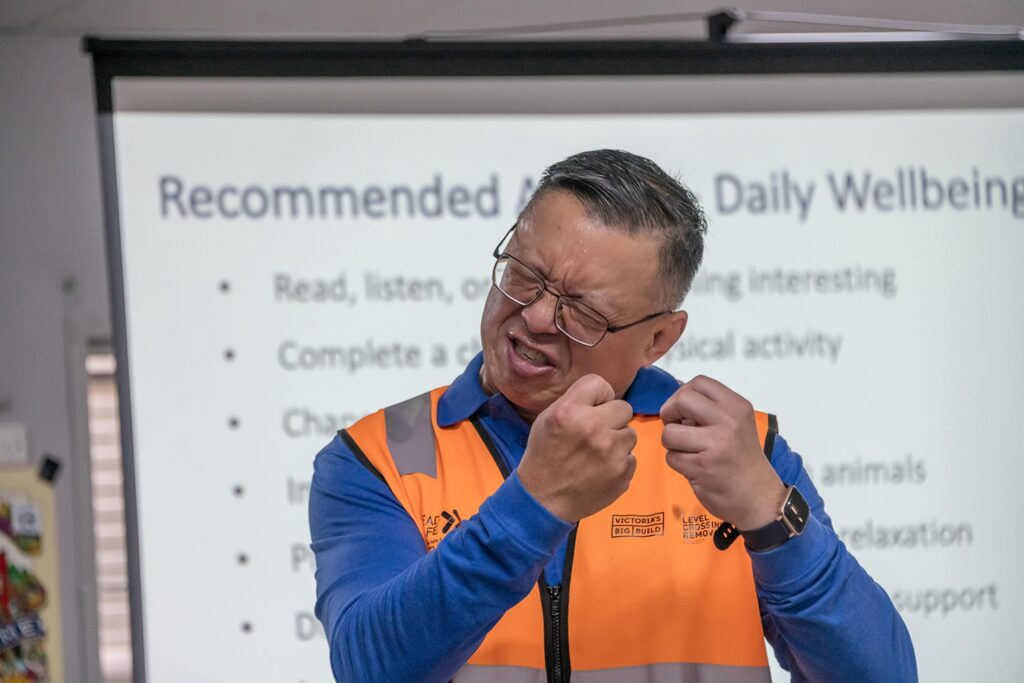
On Episode 14 of Soccerscene’s Off the Pitch Podcast, sports psychologist and martial arts master Chris Shen explored the topics of mental health in athletes, his long martial arts journey and the psychology behind returning from injuries or a mistake in a particular match.

In the fun but detailed discussion, meditation before a game was one of the many topics that Shen explored, with a focus on its effectiveness and the best time to do it.

“I absolutely love this practice. I recognise that everybody is different, so not all athletes or sports people will enjoy the same particular mental habit,” he said.

“Regardless of the actual sport, when I’m working with a team in a competition, I will run a group mindfulness session in the pregame for 5 to 6 minutes.

“I always prefer athletes doing it pregame before any coaches address or individual preparation.”

Shen expanded on the importance of staying calm and in control before playing a sport.

“Mindfulness is just an attention oriented form of meditation based on centuries old practices that enables people to interrupt the chaos of the real world. Also enables them to calm themselves, focus, and then be able to prepare and listen to the coaches and so forth.” he said.

“Any way of creating calm and relaxation, which enables you to focus, can be very powerful.”

Sports psychology plays a crucial role in football, particularly at the semi-professional and professional levels, where the mental side of the game can often determine performance.

Understanding how athletes think, focus, and recover mentally is just as important as physical preparation in achieving success on the pitch.

Click hear the full interview with Chris Shen, on Episode 14 of Soccerscene’s Off the Pitch Podcast – available on all major podcasting platforms.

Previous ArticleNext Article

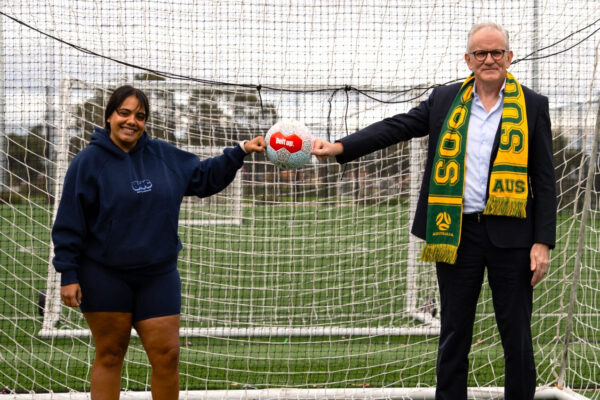
Football NSW Targets Female Coaching Gap with Twin Programs

Football NSW has announced two new initiatives targeting the development of female coaches and coach education tutors, backed by federal and state government funding, as the governing body moves to address the longstanding structural absence of women across all levels of coaching in the sport.

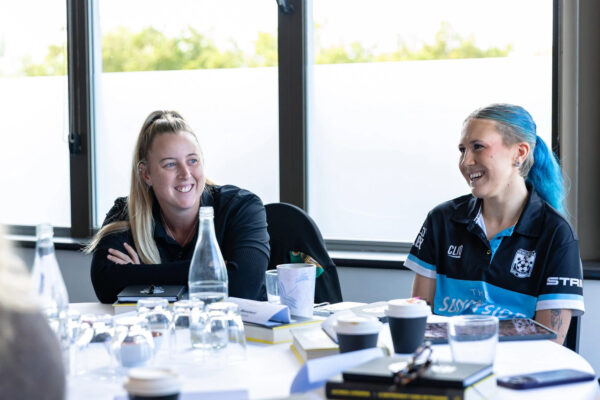
The Future Female Coaches Mentoring Program, funded through the NSW Office of Sport’s Empower Her program, will select six female coaches holding a minimum AFC B Diploma for a structured mentoring program beginning mid-year. Participants will be paired with experienced mentors and receive three in-person visits including real-time observation and feedback, alongside regular online development sessions throughout the season.

Separately, Football NSW has opened expressions of interest for its 2026/27 Female Coach Education Tutor (CET) Program, supported by the Australian Federal Government’s Play Our Way investment, targeting C Diploma holders who want to move into coach education delivery.

Together, the programs address two distinct but connected gaps in the women’s football coaching pipeline- the progression from active coach to elite-level practitioner, and the transition from practitioner to the tutors who shape how coaching is taught.

The Pipeline Problem

The structural underrepresentation of women in football coaching isn’t a new observation. It is a documented and persistent feature of the game at every level, from community clubs to national team environments. Female coaches remain a minority in pathway competitions, and female coach education tutors are even more so.

One current tutor in the program described the environment she encountered when she came through the system. “My experience coming through as a coach, there was no females on the courses as participants and there was no females running the courses either,” she said. “That kind of inspires me to be someone that can hopefully make other females feel comfortable and confident to want to become coaches.”

“It is really important to have female role models because it shows that there is an opportunity or pathway for females,” said one program participant. “Traditionally it has been a male-dominated area and to know that yes, you can do it as a passion or a side thing, or you can actually make a career of it if you want.”

Removing barriers at the point of entry

The mentoring program’s design reflects an understanding that formal accreditation alone is insufficient to retain and develop female coaches in high-performance environments. Access to experienced mentors, observation in live coaching contexts and ongoing reflective practice address the informal development gaps that credentials cannot fill.

“Learning happens through coaching in real environments, and we recognise our role in providing both stretch and support to high-potential coaches,” said Edward Ferguson, Football NSW Head of Football Development. “This program offers tailored mentoring that complements formal coach education and enhances effectiveness in practice.”

Hayley Todd, Football NSW Head of Womens and Schools Football, framed the initiative in terms of long-term system building rather than individual development. “Creating sustainable pathways for female coaches is a key priority,” she said. “This program supports their development while also providing valuable insight into what is required to progress from state competitions into national and international environments.”

The barriers the programs are designed to remove are clear. The cost of accreditation, lack of access to mentoring networks, the absence of welcoming environments in coaching courses and the scarcity of female role models at senior levels all compound one another in ways that make progression difficult regardless of ability or commitment.

“You want to try and remove as many barriers as possible,” said one tutor involved in the program. “If you can start to remove those barriers, you actually get to engage with the females more consistently and build their confidence and competence in that space.”

A system investing in itself

The timing of both announcements sits within a broader national moment for women’s football. The AFC Women’s Asian Cup, currently underway in Australia, has delivered record crowds and sustained visibility for the female game at the elite level. The programs announced this week operate at the other end of the pipeline – building the coaching infrastructure that will determine whether the players inspired by that visibility have qualified, experienced and representative coaches to develop them.

Heading the Game Forward: Why Brain Health Must Be Football’s Next Priority

Football Coaches Australia (FCA) workshop with Nick Gates to equip coaches with critical insights on head impacts, CTE, and player safety.

As football continues to evolve at pace, so too does the responsibility placed on coaches—not just to develop players, but to protect them.

On 4 May, Football Coaches Australia (FCA) will host a vital one-hour CPD-approved workshop led by HEADSAFE’s Nick Gates, tackling one of the most pressing issues in the modern game: brain health.

Titled “Brain Health & Decision-Making in the Modern Game,” the session will unpack the latest global research surrounding head impacts, with a particular focus on the long-term risks associated with repeated heading, including Chronic Traumatic Encephalopathy (CTE) and dementia.

But this isn’t just theory.

At its core, the workshop is designed to translate complex medical research into practical, on-the-ground coaching decisions.

What should coaches actually be looking for?

How can they better manage risk in training and matches?

And how can they make informed decisions that prioritise player welfare without compromising development?

These are the questions Gates will address—bridging the gap between science and sideline.

With increasing global scrutiny on concussion protocols and heading guidelines, sessions like this are becoming essential, not optional. The modern coach is no longer just a tactician, but a guardian of long-term player health.

This workshop provides the tools to take that responsibility seriously. Register here.

Most Popular Topics

Editor Picks

Send this to a friend